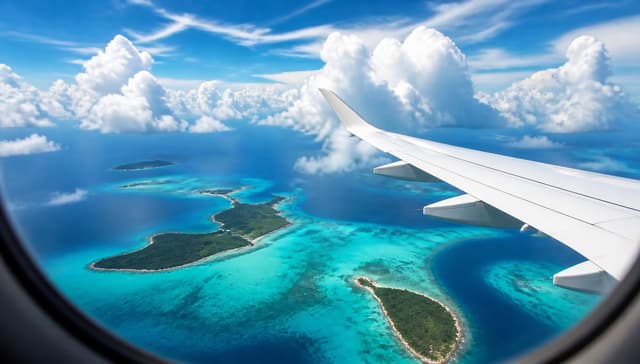
First Time Visiting Punta Cana? Everything You Need to Know
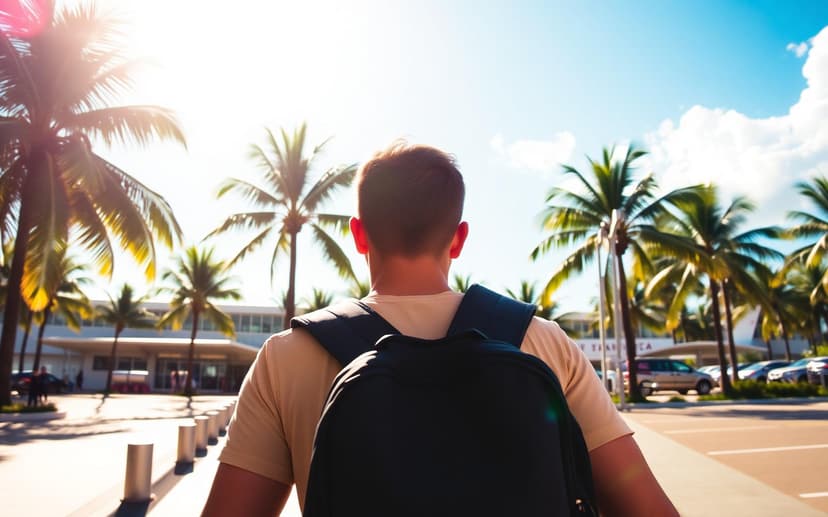
Punta Cana looks so effortless in photos that first-time visitors sometimes underestimate the small logistical details that make a Caribbean trip actually smooth. This guide is the one we wish someone had handed us before our own first trip: airport realities, money, transport, safety, connectivity, tipping culture, and the small habits that separate a great trip from a chaotic one.
Table of Contents
- The airport
- Currency and payments
- Transportation
- Safety
- Internet and phones
- What to pack
- Tipping culture
- Local customs
- Weather
- FAQ
The Airport: PUJ
Punta Cana International Airport (PUJ) is one of the more pleasant arrivals in the Caribbean. Open-air terminals with palm-thatched roofs, generally short immigration lines, and clearly marked resort-transfer zones.
- Tourist card: included in most airline fares since 2018. If yours isn't, it's a flat $10 USD at arrival.
- Immigration: typically 20–40 minutes at peak times.
- Baggage: claim is right after immigration.
- Ground transport: exit into the open-air arrivals hall — every major resort has a signed desk.
Pro tip: pre-book your transfer. Walking up cold on a Friday afternoon in high season can mean an hour's wait.
Currency and Payments
- Official currency: Dominican peso (DOP).
- What's actually used in tourist zones: US dollars, everywhere.
- Cards: Visa and Mastercard are accepted at all resorts, most restaurants, and most excursion operators. Amex less consistently.
- ATMs: available at resorts and shopping plazas. Withdraw in pesos to avoid worse conversion rates.
- Cash to bring: $150–$250 USD in small bills ($1s, $5s, $10s) covers tips, taxis, and street food for a long weekend.
Avoid the airport currency-exchange booths — resort ATMs and card payments give you a better rate.
Transportation
- Resort transfers: the easiest option. Pre-book with your hotel or a package provider.
- Taxis: flat-rate, not metered. Confirm the price before getting in. Expect $25–$40 for typical resort-to-resort trips.
- Uber: works in the area but not officially at the airport.
- Rental cars: roads are drivable but signage is inconsistent. Only worth it for multi-day off-resort trips.
- Excursion buses: every tour operator includes hotel pickup.
Safety
Punta Cana is one of the safer Caribbean destinations for tourists, but a few habits go a long way.
- Stick to well-lit tourist areas at night.
- Use hotel-arranged or clearly licensed transportation after dark.
- Keep passports in a room safe; carry a photocopy.
- Don't leave valuables unattended on the beach.
- Only book excursions through your resort, your package provider, or a reputable operator.
Solo travelers, women, and LGBTQ+ visitors generally report Punta Cana as comfortable, though public affection is more reserved than in North America.
Internet and Phones
- Resort Wi-Fi: free at nearly every all-inclusive, but speeds vary. Upgrade to premium Wi-Fi if you're working.
- eSIM: the easiest option for data. Airalo, Holafly, and Ubigi all sell DR plans. Activate before you land.
- Local SIM: Claro and Altice sell tourist SIMs at the airport; usually cheaper than roaming, more effort than an eSIM.
- International roaming: T-Mobile and Verizon plans usually work; check for slow-3G caps.
What to Pack
The short version: light layers, swim gear, reef-safe sunscreen, and one nicer outfit for dinner. The long version lives in our Complete Punta Cana Packing List.
Tipping Culture
Tipping is expected but modest.
- Bellhops: $1–$2 per bag.
- Housekeeping: $2–$3 per night, left on the bed.
- Bartenders / servers: $1 per drink or 10% on non-included meals.
- Tour guides: 10–15% of the tour cost.
- Taxi drivers: round up.
Most all-inclusive resorts add a service fee, but slipping the bartender a dollar the first day changes your entire trip.
Local Customs
- Language: Spanish is official; English is widely spoken in tourist zones.
- Greetings: a warm "hola" or "buenos días" goes a long way.
- Dress code: beachwear on the beach, cover up when walking through the resort lobby, smart-casual at nicer restaurants.
- Pace: the DR runs on "island time." Tours can start 10–15 minutes late; plan buffers.
- Music: merengue and bachata are part of daily life. Learning even the basic step endears you to locals fast.
Weather
Punta Cana has one of the more forgiving climates in the Caribbean: highs of 82–88°F year-round and consistent trade winds.
- December–April: peak dry season, most expensive, coolest evenings.
- May–June: hot, occasional short showers, best value-to-weather ratio. This is when Festopia hosts Punta Cana 2027.
- July–August: peak family season, most humid.
- September–October: hurricane risk highest; also cheapest.
- November: quiet, warm, dry.
FAQ
Do I need a visa for Punta Cana?
US, Canadian, UK, EU, and Australian travelers can enter for up to 30 days without a visa; a valid passport is required.
Is the water safe to drink?
Stick to bottled water. Most resorts provide it free of charge, and ice at resorts is made from filtered water.
Do I need travel insurance?
Highly recommended. Look for medical evacuation coverage and trip interruption.
Are the beaches public?
By Dominican law, all beaches are public. You may walk any beach, but you cannot use another resort's sun loungers or bars.
What's the difference between Punta Cana and Bavaro?
"Punta Cana" is often used to describe the whole east-coast tourist zone. Bavaro is the specific stretch where most all-inclusive resorts sit.
Is Punta Cana good for a first big group trip?
Yes — English support, USD acceptance, and all-inclusive resorts make logistics easy. Our Group Resort Guide covers how to pick the right one.
Plan Your Punta Cana Trip
Ready to turn this guide into a real vacation? Festopia takes care of the flights-and-vibes part so you can focus on showing up.
- Browse the Punta Cana 2027 Event Page — dates, lineup, hotels, and everything included in the weekend.
- Compare Hotel Packages — official all-inclusive stays negotiated for Festopia guests.
- Grab Event Passes — day passes, weekend passes, and VIP add-ons.
Keep Reading

Our team researches destinations, hotels, nightlife, excursions, and travel tips to help travelers plan unforgettable Festopia experiences around the world.
View all Travel Guides