Punta Cana for First-Time Visitors: Everything You Need to Know Before You Go
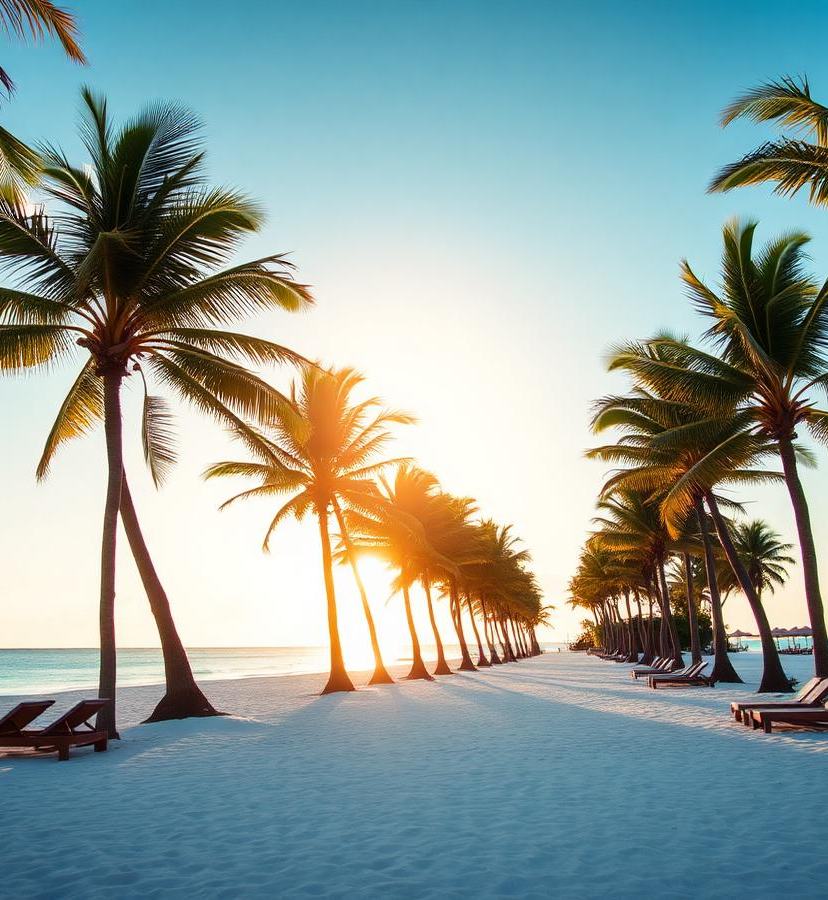
Punta Cana is the kind of place that seems almost engineered for a first vacation abroad. The palm-lined beaches roll on for more than 30 miles, the resorts pour drinks the moment you land, and the flights from most major North American cities are shorter than a movie. For a first-time visitor, that ease is the appeal — but it is also where mistakes start. Overpaying for taxis, packing the wrong clothes, booking excursions too late, or picking the wrong beach town can quietly reshape the whole trip.
This guide is written to eliminate that guesswork. It is the same information a well-traveled friend would give you the week before your flight: how the destination actually works, what to book in advance, where to stay for the vibe you want, and how to keep your money and your peace of mind intact. Read it once from top to bottom and you will land in Punta Cana knowing exactly what to do.
Where Is Punta Cana?
Punta Cana sits at the far eastern tip of the Dominican Republic, on the Caribbean island of Hispaniola. It is not a city in the traditional sense — it is a coastal resort region running north to south along the Atlantic/Caribbean coast, anchored by Punta Cana International Airport (PUJ).
Fast facts every first-timer should know:
| Detail | What to expect |
|---|---|
| Country | Dominican Republic |
| Region | La Altagracia Province, eastern coast |
| Time zone | Atlantic Standard Time (AST), no daylight saving — same as U.S. Eastern in summer, one hour ahead in winter |
| Language | Spanish (English widely spoken at resorts and tourist areas) |
| Currency | Dominican Peso (DOP); U.S. Dollars accepted almost everywhere |
| Power | 110V, U.S.-style plugs (Type A/B) — no adapter needed for American devices |
| Water | Do not drink tap water — bottled only |
| Climate | Tropical, 75–88°F year-round |
Flight times run roughly 3.5 hours from Miami, 4 hours from Atlanta, 4.5 hours from New York, 5 hours from Toronto, and about 8–9 hours from London or most of Western Europe. PUJ is served by every major U.S. carrier plus Air Canada, WestJet, British Airways, Iberia, Air Europa, TUI, and Condor, which is a big reason Punta Cana feels so approachable for a first international trip.
"Punta Cana" vs. Bávaro: strictly speaking, Punta Cana is a smaller area at the southern end of the coast, while most of the resorts travelers book are in Bávaro, just north. In everyday use, "Punta Cana" means the whole resort coast — Bávaro, Arena Gorda, Uvero Alto, Macao, and Cap Cana included.
Why Visit Punta Cana?
Ask ten different travelers what they came to Punta Cana for and you will get ten different answers. That flexibility is exactly why it works so well as a starter Caribbean destination.
- White-sand beaches. Bávaro Beach has repeatedly been named among the world's top beaches, and it is one of the softest, whitest stretches of sand in the Caribbean.
- All-inclusive resorts. Nowhere in the region has a denser cluster of all-inclusives, meaning you can compare dozens of properties at every price tier.
- Nightlife. Coco Bongo, Imagine Cave Club, and a growing rooftop and beach-club scene punch well above the destination's size.
- Excursions. Zip lines, catamarans, cenotes, ATV tours, snorkeling, deep-sea fishing, and Saona Island day trips are all bookable from a single lobby desk.
- Water sports. The reef offshore keeps most beaches swimmable, and conditions are friendly for beginners.
- Golf. More than a dozen championship courses, including several ranked in the Caribbean's top 10.
- Luxury. Cap Cana and Punta Espada offer some of the most expensive resort experiences in the region.
- Families, couples, and groups. Because inventory is so deep, you can find kid-friendly waterpark resorts, adults-only enclaves, and party-forward properties inside the same 10-mile stretch.
For first-time visitors, the takeaway is this: you do not have to compromise your travel style to come to Punta Cana. Whichever kind of trip you're chasing, there is a version of it here.
Best Time to Visit Punta Cana
Punta Cana is a genuine year-round destination — but "year-round" does not mean "every month is identical." Weather, prices, and crowds move together, and knowing that pattern is one of the highest-leverage decisions a first-timer can make.
Seasons at a glance
| Season | Months | Weather | Crowds | Prices |
|---|---|---|---|---|
| High season | mid-Dec – mid-Apr | Warm, dry, low humidity | Very high | Highest |
| Shoulder | mid-Apr – Jun | Warm, occasional showers | Moderate | Good value |
| Low season | Jul – Sep | Hot, humid, storm risk | Light | Cheapest |
| Hurricane peak | Aug – Oct | Higher storm risk | Light | Cheapest |
| Late fall reset | Nov – early Dec | Warm, drying out | Moderate | Great value |
Peak season runs from mid-December through mid-April. Expect the best weather, the busiest beaches, and the highest rates.
Hurricane season technically runs June 1 through November 30, but historic risk clusters in August, September, and early October. Direct hurricane hits on Punta Cana are rare — most systems track north — but you should always travel with insurance during this window.
Cheapest months: May, September, and early November. Room rates can drop 30–50% compared to February.
Best months for beaches: December through April, when the trade winds are calmest and skies are clearest.
Best months for nightlife and festivals: March (spring break), Memorial Day weekend, and late summer, when large group travel peaks.
> Insider tip: Early May and early November are two of the most underrated weeks of the year — high-season weather with shoulder-season pricing.
How Many Days Should You Stay?
The right length depends less on Punta Cana and more on how far you're flying to get there.
3 days (long weekend). Enough for a taste — a Memorial Day trip, a bachelorette weekend, or a birthday celebration. Best if you are flying from the East Coast or Southeast U.S. and can maximize daylight on both ends.
5 days (the sweet spot). The most common — and, frankly, the smartest — first-timer itinerary. You get two full beach days, one big excursion day, one nightlife day, and one calmer travel-plus-relax day. This is the length we recommend for most first-time visitors.
7 days. Ideal if you're coming from farther away (West Coast, Canada, Europe) or want to add multiple excursions plus a downtime day. Also the sweet spot for families with younger kids, since jet lag and pool routines need extra breathing room.
10+ days. Best for slow-travelers, remote workers, or repeat visitors who want to sample multiple resort areas or take side trips to Santo Domingo or Samaná.
Where Should You Stay?
Punta Cana is not one neighborhood — it is a string of distinct resort zones, and picking the right one is arguably the most important decision you'll make. Here is how the areas actually compare.
Bávaro
The most famous strip, home to Bávaro Beach. Wide, walkable, packed with mid-range and upper-mid-range all-inclusives, plus the highest concentration of restaurants and shops outside a resort.
- Best for: first-timers, families, groups, value travelers
- Nightlife: high (closest to Coco Bongo and Imagine)
- Beach: iconic, calm, swimmable
- Trade-off: busiest area — expect crowds
Cap Cana
Gated, upscale, and quiet. Home to luxury flagships and Punta Espada golf. Slightly less spontaneous — you'll want cars or shuttles for most activities.
- Best for: couples, honeymoons, luxury travelers, golfers
- Nightlife: low to moderate (mostly on-property)
- Beach: stunning Juanillo Beach
- Trade-off: pricey and secluded
Uvero Alto
North of Bávaro, more secluded, with newer luxury resorts and long empty beaches.
- Best for: couples, relaxation-focused trips
- Nightlife: low
- Beach: wilder, more waves
- Trade-off: ~40 min from PUJ and from the nightlife strip
Arena Gorda
Just north of Bávaro proper — big-brand all-inclusives with excellent beach access but slightly quieter than the Bávaro core.
- Best for: families, first-timers who want beach access without the busiest strip
- Nightlife: moderate
- Beach: excellent
- Trade-off: less walkable to off-resort dining
Macao
Truly remote, ATV-tour country, home to a handful of high-end resorts and one of the most photogenic beaches on the island.
- Best for: adventure travelers, honeymooners who want privacy
- Nightlife: minimal
- Beach: dramatic, surf-friendly
- Trade-off: far from everything
Downtown Punta Cana
Where locals actually live and eat. Great for a half-day, not typically where visitors stay.
- Best for: authentic food, cheaper shopping
- Nightlife: local bars, not tourist clubs
- Beach: none — inland
- Trade-off: not a resort area
First-timer default: If you can't decide, choose Bávaro or Arena Gorda. You'll get the beach, the resorts, and easy access to everything else Punta Cana is known for.
Should You Stay at an All-Inclusive Resort?
For most first-time visitors, the honest answer is yes.
Why all-inclusives work in Punta Cana:
- Meals, drinks, tips, and most activities are prepaid.
- You will not need to hunt for restaurants or worry about food safety.
- Kids' clubs, entertainment, and water sports are usually included.
- Group travel is dramatically simpler — one bill, one location.
When to skip the all-inclusive:
- You want to explore local restaurants every night.
- You're a foodie prioritizing culinary variety over convenience.
- You're traveling solo on a very tight budget and won't drink or eat enough to justify the package.
- You're staying a longer time and prefer an apartment or villa.
For a first trip, the mental load reduction of an all-inclusive is worth the modest premium — you came here to relax, not to reconcile receipts.
Getting Around Punta Cana
There is no rideshare culture the way you'd expect in a U.S. city. Plan transportation before you land, not after.
| Option | Best for | Estimated cost |
|---|---|---|
| Private airport transfer (pre-booked) | Everyone, first-timers especially | $35–$80 one-way per vehicle |
| Shared shuttle | Solo travelers, budget trips | $15–$25 per person |
| Resort shuttle | Guests of specific properties | Included or $10–$20 |
| Taxi | Short in-zone hops | $10–$40 depending on distance |
| Uber | Limited coverage, PUJ pickups can be restricted | Similar to taxis |
| Rental car | Multi-stop trips, day trips out of the region | $45–$90/day + insurance |
A few things first-timers get wrong:
- Taxis at PUJ have a fixed-price meter system. Do not accept a random driver in the terminal offering "a better deal" — always book at the official transportation desk or pre-arrange.
- Uber technically operates, but pickups are limited around the airport and some resort gates.
- Rental cars are useful for exploring beyond Punta Cana proper, but you rarely need one for a resort trip.
Money & Budget Tips
Punta Cana runs on two currencies: the Dominican Peso (DOP) and the U.S. Dollar. Learning how to move between them is the difference between paying tourist prices and paying local prices.
What to know:
- Most resorts, tours, and taxis quote in USD.
- Local restaurants, colmados (corner stores), and downtown shops quote in DOP.
- ATMs dispense DOP; ATMs at the airport often dispense both.
- Credit cards are widely accepted at resorts, excursions, and larger restaurants. Bring a card with no foreign transaction fee.
- Always carry small U.S. bills ($1s and $5s) for tips.
Tipping etiquette:
- Bellhops and housekeeping: $1–$3 per interaction/day
- Bartenders: $1 per drink or $5–$10/day
- Excursion guides: 10–15% of tour price
- Taxi drivers: rounding up is fine; tipping is not expected but appreciated
Sample daily budget (per person):
| Style | Daily spend (excl. flight & hotel) |
|---|---|
| Budget backpacker (non-AI, local food) | $30–$60 |
| Mid-range all-inclusive extras | $40–$80 |
| Upper-mid (excursions + wellness) | $100–$180 |
| Luxury / VIP nightlife | $250+ |
What Should You Pack?
Packing for the Caribbean sounds easy — until you realize how many small items ruin a day when forgotten.
First-time Punta Cana packing checklist:
- Lightweight clothing (linen, cotton)
- 2–3 swimsuits (they never dry as fast as you think)
- Rash guard or UPF shirt (a lifesaver on excursion days)
- Flip-flops and a pair of closed-toe shoes for excursions
- Sneakers for zip lines and ATV tours
- One "resort-elegant" outfit for à-la-carte restaurants
- Reef-safe sunscreen (SPF 30+)
- Bug spray with DEET or picaridin
- Aloe vera / after-sun lotion
- Wide-brim hat and sunglasses
- Reusable water bottle (fill from the resort's filtered stations, not the tap)
- Portable charger and Type A/B power adapter (only needed for non-U.S. devices)
- Waterproof phone case or dry bag
- Small day backpack for excursions
- Prescription medications in original bottles + basic first-aid kit
- Copies of your passport and travel insurance policy (paper and digital)
- Cash: $200–$400 in small bills
> Callout — the one thing most people forget: motion-sickness tablets. Catamaran and speedboat rides to Saona and offshore snorkel spots are the number-one cause of ruined excursion days.
Top Things to Do
If you did nothing but lay on the beach for five days, no one would blame you. But Punta Cana rewards curiosity — and these are the experiences first-timers tell us they wished they had booked first.
- Scape Park — the region's flagship adventure park, with zip lines, cenotes, and cultural exhibits.
- Hoyo Azul — a jaw-dropping natural cenote inside Scape Park, and easily the most photogenic swim in Punta Cana.
- Saona Island day trip — full-day catamaran + speedboat combo to a genuinely postcard-worthy island.
- ATV and buggy tours — a rowdy, muddy, half-day loop through the countryside and out to Macao Beach.
- Catamaran cruises — sunset or half-day sails with snorkeling and open bar.
- Snorkeling at the natural pool — a shallow sandbar out at sea where you can stand in waist-deep water while starfish drift by.
- Parasailing — the classic bird's-eye view over Bávaro Beach.
- Deep-sea fishing — mahi, marlin, and tuna in the offshore waters.
- Ziplining — 12+ line courses inland from the resort strip.
- Monkeyland — a rescue-based sanctuary with hands-on interactions.
- Beach clubs — Kviar, Playa Blanca, and Jellyfish for elevated day-drinking on the sand.
Booking rule: Excursions cost noticeably less when booked before you arrive, and top slots on Saona and Scape Park routinely sell out during peak season. Do not wait until day two to book day-three activities.
Want the full list of non-beach ideas? See our companion piece, Things to Do in Punta Cana Besides the Beach.
Punta Cana Nightlife
Nightlife is one of the reasons Punta Cana became a party destination in the first place, and it holds up.
- Coco Bongo Punta Cana — half concert, half circus, half nightclub. Iconic. Book VIP if you can.
- Imagine Cave Club — a converted natural cave turned megaclub. Truly unique.
- Legacy Club — a newer entrant with world-class DJs.
- Kviar Show & Disco — dinner-plus-show, great for groups.
- Rooftop lounges — the beach clubs turn into candlelit rooftops after dark.
- Pool parties — many resorts host DJs and open-bar afternoons; the group-travel crowd builds entire trips around these.
- Live music — merengue and bachata bars downtown for something more local.
First-timer tip: Book Coco Bongo in advance, plan to Uber or take a resort shuttle back after, and pace yourself — most clubs don't peak until 11:30pm.
Safety Tips for First-Time Visitors
Punta Cana is one of the safer parts of the Dominican Republic, but "safer" is not "immune." Common-sense travel behavior handles most of it.
- Transportation: Use pre-booked transfers or resort-affiliated taxis, not street-hail cars at random.
- Beach safety: Public beaches are legally open, but stay in resort-monitored sections after dark.
- Nightlife safety: Never leave a drink unattended. Travel in groups. Use the club's official taxi line at the end of the night.
- Water: Do not drink tap water. Ice at resorts is fine; ice at street stands is a gamble.
- Weather: During hurricane season, monitor NOAA and follow the resort's emergency plan if one is issued.
- Valuables: Use the in-room safe. Do not carry your passport around after check-in.
- Scams: The most common ones are aggressive beach vendors, "friendly" transportation offers at the airport, and inflated taxi quotes at nightclubs.
- Emergency numbers: 911 works in the Dominican Republic. CESTUR (tourist police): 809-222-2026.
Common Mistakes First-Time Visitors Make
- Overpacking. You will wear swimsuits, cover-ups, and one nicer outfit. That's it.
- Not bringing cash. Even at all-inclusives, tips move the world.
- Waiting to book excursions. Best-time slots sell out for Saona and Scape Park in peak weeks.
- Skipping travel insurance. Hurricane season, flight delays, and medical emergencies make this non-negotiable.
- Last-minute airport transfers. You'll pay 2–3x for a stranger at arrivals.
- Forgetting sunscreen at home. Airport and hotel sunscreen is 3x the U.S. price.
- Passport expiring within 6 months. The DR requires 6 months of passport validity from your entry date. Check now.
- Booking a room too far from the beach. "Ocean view" and "beachfront" are not the same category. Always confirm.
- Underestimating the sun. UV in Punta Cana is intense — reapply sunscreen every two hours even if it's cloudy.
Local Customs and Etiquette
- Greetings: a friendly "hola" or "buenos días" goes a long way, even at the resort.
- Dress: beachwear is for the beach and pool; cover up in lobbies and restaurants, and go smart-casual for à la carte dinners.
- Island time: tours and transfers can start 10–15 minutes late. Build buffers into your plans.
- Music: merengue and bachata are everywhere. Learning the basic step is the fastest way to make local friends.
- Photos: ask before photographing people, especially in markets and local neighborhoods.
Sample 5-Day Punta Cana Itinerary
This is the version of the trip we recommend for most first-timers.
Day 1 — Arrival, beach, welcome dinner
Land at PUJ. Pre-booked transfer to your resort. Check in, unpack, hit the beach or pool for 2–3 hours. Dinner at the main buffet, an early cocktail, and an easy bedtime.
Day 2 — Big excursion
Saona Island or Scape Park + Hoyo Azul. Full-day, sunscreen-heavy. Back to the resort by 5pm, low-key dinner, live show, and rest.
Day 3 — Pool day + nightlife
Sleep in. Long pool session, spa if you booked one, à-la-carte dinner reservation, and Coco Bongo or Imagine at night.
Day 4 — Adventure activity
ATV tour, catamaran + snorkel, or parasailing + beach club. Sunset dinner, quieter evening.
Day 5 — Shopping and departure
Late breakfast, souvenir run (downtown Punta Cana or the Palma Real mall), lunch, and depart. Budget an extra 45 minutes at PUJ during peak season.
Why Punta Cana Is Great for Groups
Punta Cana is unusually well-suited to group travel. The reason is structural: dozens of resorts have the room blocks, the private-event spaces, and the on-property nightlife to host large parties without the logistical burden of a European or Asian destination.
Groups Punta Cana handles beautifully:
- Bachelor and bachelorette trips. Beach clubs, pool parties, and Coco Bongo make this the East Coast's default bachelor(ette) destination.
- Birthday trips. Milestone birthdays get red-carpet treatment at most resorts if you request it in advance.
- Friends' vacations. Adults-only resorts remove all the noise of a mixed-crowd trip.
- Couples' trips. Multi-couple groups can each book their own suite while sharing pool days.
- Memorial Day getaways. Late-May weather is world-class, and the destination fills with group travel — you'll never feel out of place.
This is exactly the niche Festopia Punta Cana was built for. The Festopia Weekend Pass bundles curated events, hotel packages, themed pool parties, VIP nightlife access, and airport transfers into one coordinated itinerary — so groups get the fun of Punta Cana without a group-chat spreadsheet running the trip.
Connectivity: Phone, Wi-Fi, and Data
Resort Wi-Fi in Punta Cana has come a long way — most 4- and 5-star all-inclusives now offer free Wi-Fi in rooms, lobbies, and beach areas. That said, it can be spotty during peak hours, and it is rarely fast enough for uploading photos.
Options for staying connected:
- International roaming. T-Mobile Magenta and Google Fi include Dominican Republic data at no extra cost. Verizon, AT&T, and most Canadian and UK carriers charge a daily international pass (typically $10–$12/day).
- eSIM (recommended). Providers like Airalo, Holafly, and Nomad sell 5–30 day Dominican Republic eSIMs for $10–$30. Install them before you leave home and they activate the moment you land.
- Local SIM. Claro and Altice sell prepaid tourist SIMs at the airport if you have an unlocked phone.
- Skip data entirely. If you're at an all-inclusive and don't plan to leave the resort much, resort Wi-Fi is often enough.
A group-travel tip: designate one person as the "hotspot phone" for excursion days. Cell coverage on Saona Island and remote ATV routes can be patchy, so having one strong plan is more reliable than four weak ones.
Food and Drink Worth Trying
Even at an all-inclusive, seek out at least one authentically Dominican meal. The food is one of the most underrated parts of a Punta Cana trip.
- La Bandera — the "flag" plate: rice, red beans, stewed meat, and fried plantains. The national dish.
- Mangú — mashed green plantains, usually served for breakfast with eggs, cheese, and salami.
- Tostones — twice-fried green plantains.
- Pollo guisado — slow-braised Dominican chicken.
- Sancocho — a hearty stew reserved for celebrations and rainy days.
- Fresh seafood — mahi-mahi and red snapper are local staples.
- Presidente beer — the national lager, best served ice-cold in a green glass bottle.
- Rum — Brugal, Barceló, and Ron Bermúdez are the big three. Book a tasting.
- Mamajuana — the famously boozy local blend of rum, red wine, honey, tree bark, and herbs.
If you can escape the resort even for one lunch — El Cortecito in Bávaro, La Yola in Punta Cana Marina, or a downtown pica pollo stand — you'll come home with a much more textured trip.
Health, Insurance, and Passport Prep
Nothing derails a Caribbean trip faster than a preventable health or paperwork issue. Handle these before you fly.
- Passport validity. The Dominican Republic requires 6 months of remaining validity past your entry date. Renew if you're close.
- e-Ticket. The Dominican Republic uses a free online e-Ticket form for entry and exit. Complete it on the official government site within a few days of travel and keep the QR code handy — avoid lookalike sites that charge a fee.
- Tourist card. As of recent policy updates, the Dominican tourist card is bundled into your airline ticket for most nationalities — no separate paperwork required.
- Routine vaccinations. No special vaccines are required. CDC recommends being up to date on standard immunizations plus Hepatitis A and typhoid for travelers spending time outside resort zones.
- Travel insurance. Buy it. Even a basic policy ($30–$70 per person for a week) covers medical evacuation, trip cancellation, and hurricane disruption. Do not skip this during hurricane season.
- Sun and heat. Bring aloe, hydrate more than you think you need to, and use reef-safe SPF 30+.
- Insect bites. Mosquitoes are more of a factor at dawn, dusk, and inland — bug spray is worth the space in your bag.
- Pharmacies. Farmacia Carol and Farmacia Los Hidalgos have locations throughout the resort strip and stock most over-the-counter U.S. equivalents.
Before You Fly: Final Checklist
> - Passport valid at least 6 months past return date > - Airport transfer pre-booked > - Excursions pre-booked (Saona, Scape Park in particular) > - Travel insurance purchased > - Cash: $200–$400 in small bills > - eSIM or roaming plan enabled > - Reef-safe sunscreen and aloe packed > - Any prescriptions in original bottles > - Trip details shared with someone at home > - Airline app installed with mobile boarding pass
Check every box and you'll board your flight without a single loose end.
If you are going in May, things to do in Punta Cana in May 2027 adds month-specific weather, events and booking timelines.
FAQ
Is Punta Cana good for first-time international travelers? Yes. The airport is small and simple, English is widely spoken at resorts, U.S. dollars are accepted, and most travelers never leave the resort zone if they don't want to.
Do I need a passport? Yes. U.S., Canadian, UK, and EU visitors need a valid passport with at least 6 months of validity from the date of entry. No visa is required for stays under 30 days.
Is Punta Cana expensive? It can be, but it doesn't have to be. All-inclusive packages start well under $200/night in shoulder season and climb into the four figures per night in Cap Cana. Excursions add $60–$180 per person.
Is Punta Cana safe? The resort zone is considered safe by Caribbean standards, especially when you use pre-booked transportation and stick to official taxis. Standard travel precautions apply.
What currency should I use? Dominican Peso for local shops and street food; U.S. dollars work almost everywhere else. Credit cards are widely accepted.
Can I drink the tap water? No. Stick to bottled and filtered water. Ice at reputable resorts is safe.
What's the best area to stay? For first-timers: Bávaro or Arena Gorda. For couples: Cap Cana or Uvero Alto. For adventure: Macao.
How much money should I bring? For a typical week at an all-inclusive, plan $300–$500 in cash for tips, drinks off-property, small purchases, and taxis. Everything else can go on a card.
What should I avoid? Unofficial taxis, tap water, beach vendors who follow you, and last-minute airport transfers.
How many days are enough? Five days is the sweet spot for a first-time trip. Three days works for a long weekend. Seven days is best if you're coming from farther away.
Is Punta Cana good for groups? Yes — arguably better for group travel than any other Caribbean destination. Room blocks, all-inclusive pricing, and curated group experiences like Festopia Punta Cana make it easy to coordinate.
Are excursions worth it? For a first trip, absolutely. Saona Island and Scape Park are two of the best day trips in the Caribbean. Just book them before you arrive.
Are the beaches public? Yes. Beaches in the Dominican Republic are public by law, so you can walk any stretch of sand — but resort loungers, bars, and pools are for that resort's guests.
Ready to Plan Your First Trip?
A first trip to Punta Cana should feel effortless — beach in the morning, cenote at noon, live show at night — not spreadsheet-heavy. Do the pre-work in this guide (pick your area, book your transfer, lock excursions early, buy insurance), and the rest of the trip takes care of itself.
If you're traveling with a group, or you want the whole experience curated for you, explore Festopia Punta Cana — a fully packaged group vacation featuring all-inclusive hotel packages, themed events, nightlife access, and hand-picked excursions, so all you have to do is show up.

Our team researches destinations, hotels, nightlife, excursions, and travel tips to help travelers plan unforgettable Festopia experiences around the world.
View all Travel Guides