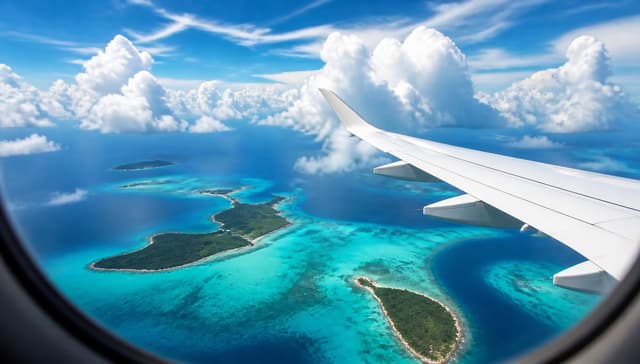
Traveling to Punta Cana from Canada: The Complete Guide

Punta Cana has quietly become one of Canada's favourite winter escapes. When the temperature in Toronto drops below zero and Montréal disappears under snow, a four-and-a-half-hour flight can put you on a warm beach with a rum punch in hand and nothing on the schedule but sunshine. It's the reason Canadian carriers add so much seasonal service to Punta Cana International Airport (PUJ) each winter, and why all-inclusive resorts on the country's east coast fill up months in advance with Canadian couples, families, birthday groups and friends chasing warmer weather.
This guide is written specifically for Canadian travellers. Whether you're flying from Toronto, Montréal, Ottawa, Calgary or Vancouver, planning your first Caribbean vacation or your tenth, you'll find practical information here on flights, entry requirements, the Dominican Republic e-Ticket, currency, costs, weather, insurance, packing, airport transfers and returning to Canada.
Everything is written in Canadian English, prices are shown in Canadian dollars where possible, and we've stuck to official Canadian and Dominican government sources for the fine print. Availability, prices and rules can change, so treat this as a planning framework and verify current details before you book.
Quick Planning Summary
- Arrival airport: Punta Cana International Airport (PUJ) — the closest airport to most Bávaro and Punta Cana resorts.
- Typical nonstop flight time from Eastern Canada: roughly 4 hours from Toronto and Montréal, weather and routing dependent.
- Passport: A valid Canadian passport is required. Many airlines and travel providers recommend at least six months' validity beyond your return date.
- Visa: Canadian citizens do not need a visa for short tourist stays. Tourists are generally admitted for up to 30 days.
- Dominican Republic e-Ticket: Mandatory for entry and departure. Complete it free on the official government portal at eticket.migracion.gob.do.
- Local currency: Dominican peso (DOP). U.S. dollars are widely accepted; Canadian dollars are not.
- Best travel periods for Canadians: Mid-December to mid-April for the driest weather, with premium pricing over the holidays and March Break.
- Booking window: For winter travel, three to six months ahead is a reasonable target for better resort selection and pricing.
- Airport transfer: Pre-booked resort or private transfer is the smoothest option; avoid unsolicited offers at the airport.
_Last Updated: July 2026_
Table of Contents
- Flights from Canada to Punta Cana
- Best Time to Book
- Entry Requirements for Canadian Travellers
- Dominican Republic e-Ticket
- Arriving at Punta Cana International Airport
- Currency and Payments
- How Much Does the Trip Cost?
- Travel Insurance
- Health and Medication Preparation
- Weather and When to Visit
- What Canadians Should Pack
- Phone Service, Roaming and Internet
- Tipping in Punta Cana
- Excursions and Activities
- Safety Tips
- Returning to Canada
- Canadian Travel Checklist
- Frequently Asked Questions
Flights from Canada to Punta Cana
Canada is one of Punta Cana's largest source markets, and Canadian carriers and tour operators build their winter schedules around it. Nonstop service is heaviest between mid-December and April; outside those months, connections through the United States or a Canadian hub are more common.
Toronto
Toronto Pearson International Airport (YYZ) offers the widest choice of flights to Punta Cana in the country. Air Canada, WestJet, Air Transat and Sunwing have all operated nonstop service on this route in recent seasons, with schedules that expand significantly in winter. Nonstop travel time is roughly 4 hours and 15 to 4 hours and 45 minutes southbound, and a little longer northbound with headwinds.
Because so many carriers compete on YYZ–PUJ, you'll also find a large selection of vacation packages combining flights and all-inclusive resorts. For many Canadian travellers, buying a package is easier and often cheaper than booking flight and hotel separately — but it's still worth comparing. Verify current routes and schedules directly with the airline or on the airport's flight information page before you book.
Montréal
Montréal–Trudeau International Airport (YUL) is the second major Canadian gateway to Punta Cana, particularly for travellers from Québec and eastern Ontario. Air Canada, Air Transat, Sunwing and WestJet have offered nonstop winter service from YUL, with typical southbound flight times of around 4 hours.
Air Transat and Sunwing publish resources and packages in French, which is helpful if you prefer to book and receive travel documents in your first language. Ask specifically about French-speaking resort representatives if that matters to you — availability varies by resort.
Ottawa
Ottawa Macdonald–Cartier International Airport (YOW) does not usually offer year-round nonstop service to Punta Cana. During peak winter weeks, some operators have run seasonal nonstop charters. Outside those weeks you'll typically connect via Toronto or Montréal, which can add several hours to your day.
Before assuming a nonstop is available, check with the airline directly. In many cases, driving or taking the train to Montréal and flying from YUL opens up more options and better pricing — a common workaround for Ottawa-area travellers.
Calgary
Calgary International Airport (YYC) sits far from the Caribbean, and nonstop service is limited and seasonal. WestJet and other operators have periodically offered winter charter or scheduled service. When nonstops aren't available, connecting itineraries through Toronto are the usual routing, with total travel times commonly ranging from about 8 to 12 hours depending on layover length.
If you're travelling with a large group from Alberta and dates are flexible, it can be worth comparing a Calgary–Punta Cana package against a Calgary–Toronto positioning flight paired with a separate Toronto–Punta Cana package.
Vancouver
From Vancouver International Airport (YVR), a connection is almost always required. Common routings connect through Toronto, or through a U.S. hub such as Dallas, Miami, Houston or New York. Total journey time typically ranges from about 10 to 14 hours, and overnight layovers or early morning departures are common.
Because the westbound return crosses several time zones, plan for a long travel day home. Positioning the night before through Toronto or an early evening arrival back into YVR can reduce the strain if you're travelling with children or as a group.
Best Time to Book
There isn't a single magic day to book flights to Punta Cana, and anyone promising one is guessing. What holds up in practice for Canadians:
- Winter demand is high. Late December through mid-April is the busiest and priciest window from Canada.
- March Break is a peak within a peak. Ontario, Québec, Alberta and B.C. school breaks fall in slightly different weeks, but the second and third weeks of March are consistently expensive.
- Christmas and New Year are the priciest week or two of the year for departures out of Canada.
- Summer holidays (late June through August) are cheaper but hotter and enter the Atlantic hurricane season.
- Flexible dates — even shifting by two or three days — often lower fares.
- Fare alerts on services like Google Flights help track routes you're watching.
- Packages vs. separate bookings: Vacation packages from Canadian tour operators often bundle flights, resort, transfers and checked luggage at competitive prices. Booking separately can win when resorts run direct promotions or when you want a boutique hotel that isn't in the package inventory.
For winter and March Break travel, three to six months out is a reasonable planning window. For a deeper look at seasonal pricing and school-break considerations, see the Best Time to Visit Punta Cana from Canada guide.
Entry Requirements for Canadian Travellers
Entry rules can change with little notice. Always cross-check current requirements against Canada's official travel advice at travel.gc.ca and the Dominican General Directorate of Migration at migracion.gob.do before you fly.
Canadian citizens with a valid Canadian passport do not require a visa for short tourist visits to the Dominican Republic. Tourists are generally admitted for up to 30 days; longer stays or overstays may result in fees on departure.
Passport validity. While the Dominican Republic does not currently impose a strict six-month rule for Canadian tourists, many airlines and travel providers apply their own six-month buffer. The practical rule of thumb: renew your passport if it expires within six months of your return date.
Tourist card / entry fee. The tourist card that used to be sold on arrival is now included in most airline ticket prices for arrivals by air. Confirm with your airline if you're unsure.
Onward or return travel. Airlines and immigration officers may ask to see proof of onward or return travel.
Travelling with children. Canadian travel authorities recommend that parents travelling alone with a child, or a non-parent travelling with a child, carry a consent letter signed by the non-accompanying parent(s) or legal guardian(s). A sample letter is available on travel.gc.ca.
Dual citizens. Canadians who also hold Dominican citizenship should review the country-specific advice on travel.gc.ca before travelling.
Permanent residents of Canada travelling on a non-Canadian passport. Entry rules for the Dominican Republic depend on your passport's country of citizenship — not on your Canadian PR status. Check both the Dominican requirements for your passport country and any Canadian re-entry considerations (a valid PR card or PRTD is generally needed for commercial air return to Canada).
People living in Canada on a study or work permit should verify both Dominican entry rules for their passport country and the conditions of their Canadian temporary resident status before departure.
For a deeper visa walkthrough, see Do Canadians Need a Visa for the Dominican Republic? — Festopia's traveller guide covers the current situation in more detail.
Dominican Republic e-Ticket
Every traveller entering or leaving the Dominican Republic is required to complete the electronic ticket, or e-Ticket. It's a free digital form issued jointly by Immigration, Customs and the Ministry of Public Health.
Where to complete it: the official portal is eticket.migracion.gob.do. It's free. Do not use third-party sites that charge a "processing fee" — the form is straightforward and takes about 10 minutes.
When to complete it: the government recommends filling it out within 72 hours of your flight. You can complete a combined entry-and-exit form for the whole trip.
How to keep it accessible: after submitting, you'll receive a QR code. Save it as a screenshot on your phone, back it up to your email, and consider printing a paper copy for redundancy — Wi-Fi lineups at PUJ can be slow.
Common mistakes to avoid:
- Filling out someone else's form on the same account and confusing the QR codes.
- Using a passport number that doesn't match the passport you'll travel with.
- Leaving accommodation details blank — enter your resort name and address.
- Forgetting the departure section — you'll need it again on the way home.
Arriving at Punta Cana International Airport
Punta Cana International Airport (airport code PUJ) has a distinctive open-air, thatched-roof terminal that immediately signals you're on vacation. It's efficient by Caribbean standards, but lineups at immigration can stretch when several long-haul flights land at once.
Immigration. Have your passport and your e-Ticket QR code ready. Officers will scan or check both. Overhead fans and open sides keep things breezy but warm; keep water accessible if you're travelling with kids.
Baggage claim and customs. Bags typically appear within 20 to 40 minutes. Customs is usually a brief formality unless declared items require inspection.
Airport layout. PUJ is compact. After clearing customs you'll walk into the transfer area where resort reps and licensed transportation companies wait behind marked signs.
Getting to your resort:
- Resort shuttle: Included with many all-inclusive packages. Look for your operator's sign (Air Transat, Sunwing, Nolitours, etc.) after customs.
- Private transfer: Pre-booked private cars and SUVs are more comfortable and worth the small premium for late arrivals or larger groups.
- Licensed taxis: Available in a regulated queue outside; confirm the fare before you get in.
A word of caution: ignore anyone in the terminal offering "free rides," resort upgrades, or timeshare presentations in exchange for a lift. Stick with your booked transfer or the official taxi rank.
Approximate driving times from PUJ:
- Bávaro / Punta Cana resort strip: 15–30 minutes
- Uvero Alto: 40–60 minutes
- Cap Cana: 15–25 minutes
For a fuller breakdown, see the Punta Cana Airport Guide.
Currency and Payments
The official currency is the Dominican peso (DOP). In tourist areas, U.S. dollars (USD) are also widely accepted. Canadian dollars (CAD) are not, and while some resorts will exchange a small amount at a poor rate, you shouldn't count on them.
Practical strategy for Canadians:
- Use a Canadian credit card with no foreign-transaction fees for the majority of your spending. Many Canadian cards charge 2.5% on non-CAD purchases; travel-oriented cards waive it.
- Bring a modest amount of USD in small bills ($1, $5, $10) for tips, taxis and vendors.
- Use ATMs at reputable banks for pesos if you need local cash — resort ATMs work but sometimes carry higher fees.
- Notify your bank and credit card issuers of your travel dates to avoid fraud blocks.
- Keep cards in a secure spot; carry one card and some cash for a night out and leave a backup card in the safe.
Exchange rates fluctuate. Check current CAD-DOP and CAD-USD rates on your bank's app or a service like xe.com close to travel.
How Much Does the Trip Cost?
There is no single "Punta Cana price." What you pay depends on where you fly from, what week you go, what resort you choose and how far ahead you book. The estimates below are in Canadian dollars per person and reflect typical ranges we see for Canadian travellers — treat them as planning benchmarks, not quotes.
Typical per-person cost components
- Return airfare from Eastern Canada (YYZ / YUL): $400–$900 CAD in shoulder seasons; $700–$1,400+ over March Break, Christmas and New Year.
- Return airfare from Western Canada (YYC / YVR): $650–$1,600+ CAD depending on connection and season.
- All-inclusive resort (per person, per night, based on double occupancy): $150–$300 CAD for mid-range; $300–$600+ for luxury.
- Hotel-only accommodation: $80–$250+ CAD per night for well-reviewed hotels outside the all-inclusive segment.
- Checked luggage: $30–$60 CAD each way if not included in your fare.
- Seat selection: $15–$50 CAD per flight if you want to guarantee seats together.
- Round-trip airport transfer: included in many packages; otherwise $30–$100+ CAD per person for a private transfer.
- Travel insurance: $30–$120 CAD per person for a week, depending on age and coverage.
- Excursions: $60–$200+ CAD per person per excursion.
- Nightlife off-resort: $60–$150+ CAD per night depending on venue.
- Food outside the resort: $20–$60 CAD per person per meal at mid-range restaurants.
- Tips: budget roughly $5–$15 CAD in USD equivalent per travel day for various service points.
- Mobile roaming or eSIM: $15–$70 CAD for a week.
- Souvenirs and emergency buffer: $100–$300 CAD.
Sample budgets (per person, all-in, 7 nights)
| Traveller | Season | Estimated Range (CAD) |
|---|---|---|
| Budget-conscious solo, YYZ | Shoulder (May, September) | $1,300–$1,900 |
| Mid-range couple, YUL | Late January | $1,900–$2,800 each |
| Luxury couple, YYZ | Early December | $3,000–$5,000+ each |
| Group of friends, YYZ | Late April | $1,800–$2,600 each |
| Family of four, YYZ | March Break | $2,400–$3,500 each |
| Solo, YVR (connecting) | November | $2,000–$2,800 |
For a five-night trip, subtract roughly two nights of resort cost. Prices vary by resort category, connection choice and booking date. For a deeper breakdown, see How to Find Cheap Flights to Punta Cana and the First Time Visiting Punta Cana guide.
Travel Insurance
Your provincial health card doesn't travel well. Ontario's OHIP, Québec's RAMQ and other provincial plans offer only very limited out-of-country coverage, and the ceilings are far below what a serious medical event abroad can cost.
Canadians should consider travel insurance that covers:
- Emergency medical treatment, including hospitalization and medical evacuation.
- Trip cancellation for covered reasons before departure.
- Trip interruption if something forces you home early.
- Flight delays and missed connections.
- Lost or delayed luggage.
- Excursion-related injuries, especially adventure activities.
- Pre-existing conditions, where the policy allows.
Before buying, check what you may already have:
- Some employer group benefits include limited out-of-country medical coverage.
- Certain Canadian credit cards include travel medical, trip cancellation or baggage benefits when you pay for the trip with the card — but coverage limits, ages and durations vary widely.
Read the policy wording, not the marketing summary. Pay particular attention to age limits, alcohol-related exclusions and the definition of "stable" for pre-existing conditions.
Health and Medication Preparation
Before travelling, review the health notices on travel.gc.ca and consider a visit to a travel-health clinic if you have chronic conditions or specific concerns.
Practical points:
- Bring enough prescription medication for your entire trip, plus a few extra days.
- Keep meds in their original packaging with the pharmacy label.
- Pack medication in carry-on luggage, not checked bags.
- Stay hydrated — the Caribbean sun is stronger than it feels.
- Use sunscreen and reapply, especially after swimming.
- Food and water: stick with bottled or filtered water at resorts, and be sensible with street food.
- Mosquito protection: use repellent, especially around dawn and dusk.
- If you rely on ongoing medical care, know that healthcare in Punta Cana is generally available in tourist areas but complex issues may require medical evacuation.
This is general information, not medical advice. Speak with your doctor or a travel-health clinic about your specific situation.
Weather and When to Visit
Punta Cana has a warm, tropical climate. Daytime temperatures average roughly 26 °C to 31 °C year-round, with sea temperatures around 26 °C to 28 °C. Weather-wise, the main patterns Canadians should know are:
- Dry season (mid-December to April): Least rain, lowest humidity, most reliable sunshine — and the highest prices from Canada.
- Shoulder months (May and November): More affordable, still warm, generally good weather with occasional showers.
- Rainier months (June to October): Warmer, more humid, brief afternoon showers common. The Atlantic hurricane season officially runs from June 1 to November 30, peaking in August and September.
- Sargassum: Seaweed can wash up on Punta Cana beaches, particularly in summer months. Resorts groom the beach daily, but it's a factor worth knowing.
For Canadians, winter demand pushes prices up sharply from mid-December through March Break. For a month-by-month breakdown, see Punta Cana Weather by Month and Best Time to Visit Punta Cana from Canada.
What Canadians Should Pack
Essentials, roughly in packing order:
- Passport (with adequate validity)
- Printed and digital e-Ticket QR code
- Travel insurance documents
- Flight, hotel and transfer confirmations
- Prescription medication in original packaging
- Swimwear (two if you can — one is always damp)
- Lightweight, breathable clothing
- One or two evening outfits for à la carte restaurants
- Sun protection: sunscreen (SPF 30+), sunglasses, hat
- Mosquito repellent
- Compact rain jacket or travel umbrella
- Comfortable walking sandals and one pair of closed shoes for excursions
- Waterproof phone pouch
- Portable charger and Canadian-to-universal plug adapter if needed
- Canadian debit and credit cards
- Modest amount of USD in small bills for tips
- Photocopies of your passport and travel documents, stored separately
For a full breakdown, see the Complete Punta Cana Packing List.
Phone Service, Roaming and Internet
Punta Cana's resorts nearly all offer Wi-Fi, though speeds vary. For connectivity outside the resort, Canadians have three main options:
- Canadian carrier roaming plans. Rogers, Bell, Telus and Freedom all offer international day passes that let you use your existing plan abroad for a daily fee. Check current pricing and Dominican Republic coverage with your carrier before you leave — features and prices change frequently.
- Travel eSIM. Services like Airalo, Nomad and Holafly sell prepaid data eSIMs that install directly on modern iPhones and Android devices. Often cheaper for a week than daily roaming.
- Local SIM. Available from Claro and Altice at the airport or in town. Cheapest per gigabyte but requires an unlocked phone and some setup.
Before you leave, download offline copies of Google Maps for the Punta Cana / Bávaro area, plus your e-Ticket QR code, insurance card and flight documents. Turn off automatic app updates so a rogue background download doesn't blow your data budget.
Tipping in Punta Cana
Tipping in the Dominican Republic is customary in tourist areas but not rigidly codified the way it is at home. A 10% service charge is often already added at restaurants; a small additional tip for great service is appreciated.
Reasonable general guidance:
- Airport / transfer drivers: a few USD or the peso equivalent per bag or per journey.
- Bell staff: $1–$2 USD per bag.
- Housekeeping: $1–$3 USD per day, left daily.
- Bartenders and servers at all-inclusives: $1–$2 USD per round or meal for consistent service.
- Restaurant staff off-resort: 5–10% on top of the service charge, if service was good.
- Excursion guides: $5–$15 USD per person per excursion, depending on length and quality.
These are guidelines, not rules. Tip in USD or DOP; Canadian dollars aren't very useful for tips.
Excursions and Activities
Punta Cana's beaches are the main event, but the surrounding region has more variety than a resort day suggests. Popular excursions include:
- Saona Island — a day trip by catamaran and speedboat to the Dominican Republic's most photographed beach.
- Catamaran cruises with snorkelling and a natural pool stop.
- Scape Park at Cap Cana — cenotes, ziplines, cultural stops.
- ATV and dune buggy tours — dusty, fun, not for those with back issues.
- Snorkelling and diving on the coral reefs.
- Cultural tours into inland towns and the countryside.
Before booking:
- Use reputable operators with reviewable online history.
- Check what's included (meals, drinks, gear, park fees).
- Confirm cancellation and weather policies in writing.
- Understand total travel time — some excursions are 10-plus-hour days.
- Verify physical requirements if you have mobility considerations.
- Carry small cash in USD for photos, drinks and tips.
For deeper picks, see 25 Amazing Things to Do in Punta Cana Besides the Beach.
Safety Tips
Punta Cana is a mature tourist destination that welcomes millions of visitors a year, and most Canadians travel there without incident. That said, it isn't risk-free, and Canada's official travel advice for the Dominican Republic asks travellers to exercise a high degree of caution. Balanced, practical guidance:
- Stay within resort and licensed excursion areas unless you know where you're going.
- Use licensed transportation — pre-booked transfers, resort taxis, or reputable rideshare partners in supported areas.
- Protect valuables: use the room safe, and don't leave phones or wallets on beach chairs.
- Carry limited cash when out and split your money between two places.
- Watch alcohol intake, particularly at pool bars and late nights.
- Respect ocean conditions: heed flag warnings and don't swim after heavy drinking.
- Choose excursion operators carefully, especially for adventure activities.
- Save emergency contacts — the Canadian Embassy is in Santo Domingo; the emergency number in the Dominican Republic is 911.
- Register with the Government of Canada's Registration of Canadians Abroad service for updates while you travel.
- Read current travel advisories at travel.gc.ca before departure.
For more, see Is Punta Cana Safe? Travel Tips for First-Time Visitors.
Returning to Canada
The return day is smoother if you plan it in advance.
- Complete the departure section of your e-Ticket if you filled out only the arrival portion. The QR code is checked on the way out.
- Arrive at PUJ at least 3 hours before an international flight, or as your airline recommends. Winter Sundays are busy.
- Check baggage limits on your specific fare — Canadian carriers and tour operators vary.
- Bring receipts for any significant purchases in case Canada Border Services Agency (CBSA) asks.
- Declare goods honestly on your CBSA declaration when returning. Duty-free personal exemptions and limits on alcohol, tobacco and food change over time; check the current rules at the CBSA website before you shop.
- Food, plant and animal products are heavily restricted; when in doubt, don't bring it.
- Weather delays are a real risk in Canadian winter. Build a buffer day between your return and any major obligations, and check your travel insurance for interruption coverage.
Canadian Travel Checklist
Copy this checklist onto your phone and tick it off as you go.
Three to Six Months Before
- Confirm passport validity and renew if needed
- Choose destination dates and departure city
- Compare vacation packages vs. separate bookings
- Book flights and resort
- Consider a refundable deposit if dates are uncertain
- Discuss health-clinic visit if needed
One Month Before
- Purchase travel insurance
- Confirm resort details and dietary requests
- Book excursions and airport transfer
- Notify banks and credit card issuers of travel
- Plan phone/data option (roaming, eSIM, local SIM)
One Week Before
- Complete Dominican Republic e-Ticket
- Save QR code, tickets and insurance to phone and email
- Print backup copies of essentials
- Refill prescriptions
- Confirm pet care, mail hold and home checks
Twenty-Four Hours Before
- Online check-in with your airline
- Confirm baggage allowances and weigh bags
- Charge phone, camera, portable battery
- Pack medication and passport in carry-on
- Set out-of-office and let a trusted contact know your itinerary
Airport Day
- Arrive at Canadian airport with buffer for winter weather
- Have passport and boarding pass ready
- Keep e-Ticket QR code accessible on landing
- Convert a small amount of CAD to USD before you fly if desired
Arrival in Punta Cana
- Present passport and e-Ticket at immigration
- Collect luggage and clear customs
- Find your pre-booked transfer; ignore unsolicited offers
- Confirm check-in details at your resort
- Stash valuables in the room safe
Before Returning to Canada
- Complete e-Ticket departure section (if not already done)
- Pack medication and documents in carry-on
- Keep receipts for CBSA declaration
- Leave housekeeping tip
- Reconfirm airport pickup time
Mention This
Canadian travellers interested in curated Caribbean group vacations, birthday trips and destination experiences can explore Festopia at www.festopia.com.
Frequently Asked Questions
Do Canadians need a visa for Punta Cana? No. Canadian citizens do not need a visa for short tourist stays in the Dominican Republic. Tourists are generally admitted for up to 30 days. Longer stays may be subject to overstay fees on departure.
What documents do Canadians need? A valid Canadian passport, a completed Dominican Republic e-Ticket, and proof of onward or return travel. Airlines commonly recommend at least six months of passport validity beyond your return date.
Is the Dominican Republic e-Ticket free? Yes. The official e-Ticket is free through eticket.migracion.gob.do. Avoid third-party sites that charge fees.
Are there nonstop flights from Canada to Punta Cana? Yes, primarily from Toronto (YYZ) and Montréal (YUL), especially in winter. Ottawa, Calgary and other cities may have seasonal nonstop service; verify with airlines directly. Vancouver almost always requires a connection.
How long is the flight from Toronto to Punta Cana? Roughly 4 hours and 15 to 4 hours and 45 minutes southbound on a nonstop, with a slightly longer return.
Can Canadians use Canadian dollars in Punta Cana? Not really. Dominican pesos and U.S. dollars are widely accepted; Canadian dollars generally are not. Use a no-foreign-fee credit card for most spending and bring some USD in small bills for tips.
How much should a Canadian budget for a Punta Cana trip? A rough per-person planning range for a 7-night trip from Eastern Canada is $1,500–$3,000 CAD in shoulder seasons and $2,000–$4,000+ CAD around March Break and Christmas. Luxury and western Canadian departures cost more.
Do Canadians need travel insurance for Punta Cana? It's not legally required, but it is strongly recommended. Provincial health plans cover very little out of country and medical evacuation from the Caribbean can be extremely expensive.
What is the best time to visit Punta Cana from Canada? For the driest weather, mid-December to mid-April; for the best value with still-warm weather, May or November. See the full Best Time to Visit Punta Cana from Canada guide.
Is Punta Cana safe for Canadian travellers? Most Canadians visit without incident, but travellers should exercise a high degree of caution as per Canada's official advice. Use licensed transportation, protect valuables, be sensible about alcohol and monitor current advisories on travel.gc.ca.
---
Prices, routes, entry rules and advisories change. Verify current details with the airline, the Government of Canada, the Government of the Dominican Republic and your travel insurer before you book and again before you fly.

Our team researches destinations, hotels, nightlife, excursions, and travel tips to help travelers plan unforgettable Festopia experiences around the world.
View all Travel Guides