Cheapest Caribbean Islands to Visit
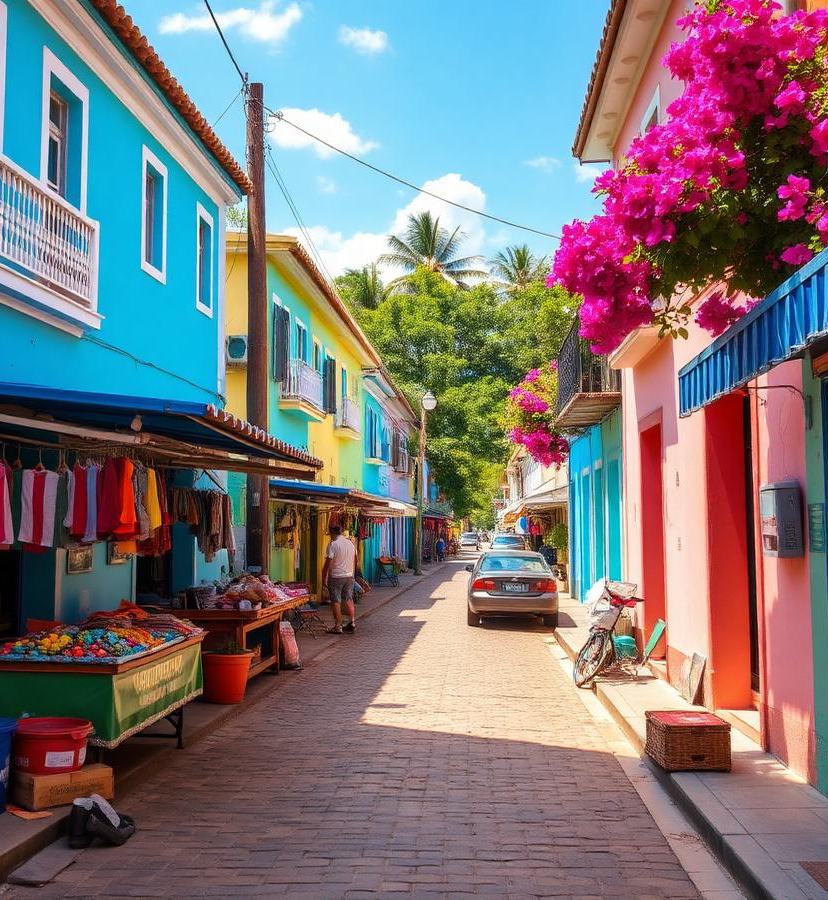
The Dominican Republic, Puerto Rico, and Jamaica consistently rank as the cheapest Caribbean islands for travelers. The math behind this is straightforward. These three destinations command the highest volume of international flights, possess massive hotel inventories, and host fierce competition among tour operators.
When thousands of hotel rooms sit empty during the shoulder season, prices drop. When five different airlines fly the same route from Miami, airfare plummets.
Finding the right budget destination requires looking beyond the nightly hotel rate. A $90-a-night guesthouse in an exclusive enclave like St. Barts does not equate to a cheap vacation once you factor in $300 inter-island hopper flights and $40 hamburgers. The cheapest Caribbean islands are those that offer affordability across the board: cheap flights, accessible public transit, budget-friendly local dining, and reasonably priced excursions.
This guide breaks down the financial realities of traveling the region in 2027. We analyze daily costs, seasonal price fluctuations, and the distinct budget advantages of each island.
At a Glance: The Most Affordable Caribbean Destinations
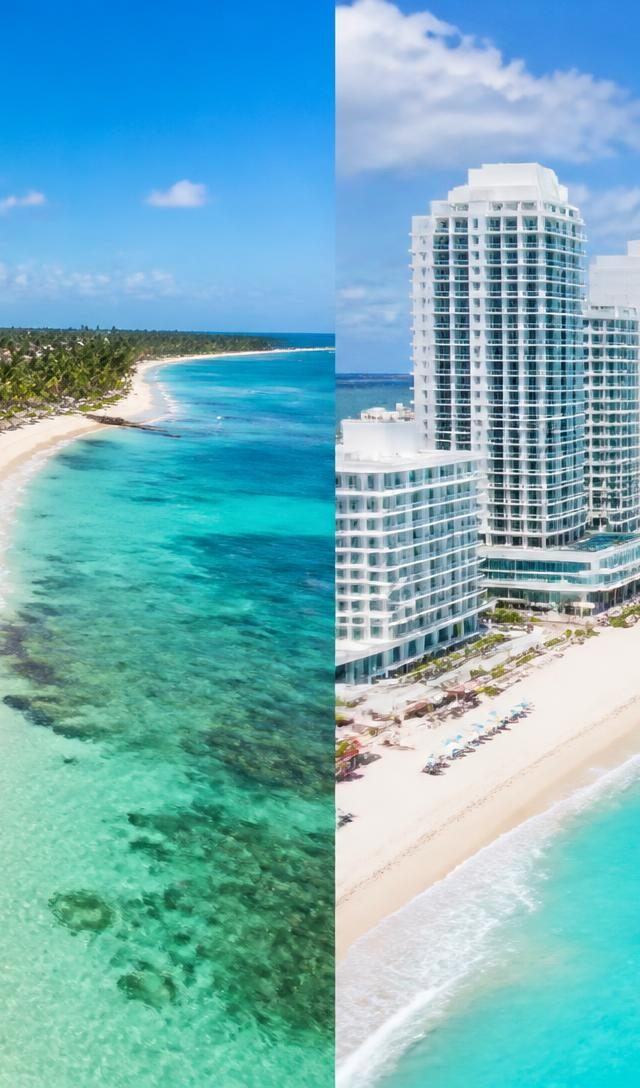
Image suggestion: A vibrant, overhead shot of a lively local beach with colorful umbrellas and clear blue water. | Alt text: Aerial view of a crowded, beautiful Caribbean beach. | Caption: High tourist volume helps keep prices competitive across the larger Caribbean islands.
Before diving into the detailed cost breakdowns, here is a quick look at the top destinations for budget-conscious travelers:
- Dominican Republic: The undisputed heavyweight of budget travel. Massive all-inclusive resorts drive down nightly rates, while high-volume airports ensure cheap international flights.
- Puerto Rico: The best option for U.S. citizens looking to avoid passport fees, international cell phone roaming charges, and complex travel logistics.
- Jamaica: The pioneer of the all-inclusive model. Fierce competition along the northern coast keeps resort prices lower than the regional average.
- Curaçao: A budget-friendly alternative outside the hurricane belt. Heavy European tourism influence means a strong market for affordable, self-catering apartments.
- Cozumel (Mexican Caribbean): Though technically an island off the Yucatan, its proximity to the mainland makes it a haven for budget diving and affordable local dining.
Table of Contents
Punta Cana vs. Puerto Plata Estimated Daily Costs Budget Transportation Weather and Timing
San Juan vs. The West Coast Estimated Daily Costs Budget Transportation Weather and Timing
Montego Bay vs. Negril Estimated Daily Costs Budget Transportation Weather and Timing
The Economics of Caribbean Budget Travel
Image suggestion: A wide shot of a busy Caribbean airport tarmac with several major commercial jets lined up. | Alt text: Commercial airplanes parked at a tropical airport terminal. | Caption: The volume of incoming flights is the single biggest indicator of how affordable an island will be.
To understand why some islands cost a fraction of others, you have to look at the region's underlying economics. Island nations import almost everything. Food, fuel, and building materials arrive by cargo ship, driving up the baseline cost of living and operating a resort.
For an island to be genuinely affordable for a tourist, it must offset these import costs through sheer volume.
The primary rule of Caribbean economics is simple: airlift dictates price. If a destination only receives three commercial flights a week, you will pay a premium for the seat, the taxi, and the hotel room.
Large islands with robust agricultural sectors—like the Dominican Republic and Jamaica—can source food locally. This drastically lowers restaurant and resort buffet costs compared to arid islands like Aruba or Turks and Caicos, which import nearly all their produce.
Understanding Price Transparency in 2027
All prices mentioned in this guide are approximate USD ranges. These figures represent the reality of travel in 2027, but seasonal shifts heavily impact them. A hotel room that costs $150 in September can easily cost $450 in February. Travelers should always confirm current rates directly with airlines and properties before booking.
Entry requirements also affect your baseline costs. Visa fees, tourist cards, and departure taxes can add unexpected hundreds to your total. Requirements change frequently. Always check official government sources, such as the U.S. State Department or the destination's specific immigration ministry, long before your departure date.
The Realities of Seasonality
If your priority is strict budget adherence, you must travel during the off-season or shoulder season. Peak pricing runs from mid-December through mid-April. Prices begin dropping in May and hit rock bottom between August and October.
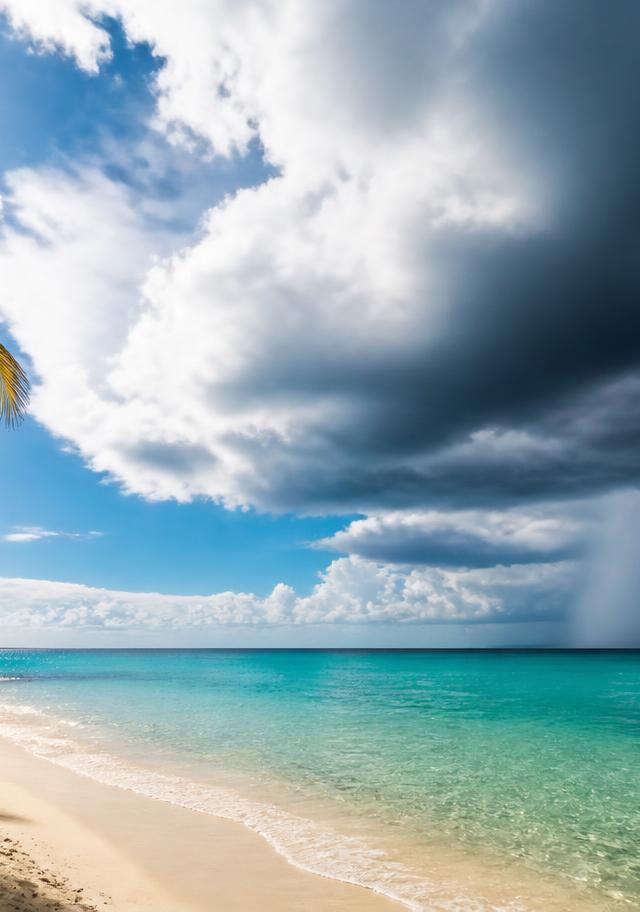
This price drop exists for a reason: hurricane season. The Atlantic hurricane season officially runs from June 1 through November 30. The highest risk period is typically mid-August to late October. Planning an expansive Caribbean travel guide itinerary during these months requires travel insurance and flexibility.
Additionally, the cheaper summer months bring sargassum seaweed to many eastern and southern facing shores. This naturally occurring brown algae washes up in massive, foul-smelling mounds. It fundamentally alters the beach experience, though resorts work tirelessly to clear it.
Dominican Republic: The Value Heavyweight
Image suggestion: A wide angle of a sprawling, palm-tree-lined beach in Bavaro with several large resorts in the background. | Alt text: A vast white sand beach in the Dominican Republic backed by all-inclusive resorts. | Caption: The sheer scale of resort development in the Dominican Republic keeps nightly rates incredibly competitive.
The Dominican Republic consistently offers the lowest barrier to entry of any major Caribbean destination. It controls the largest hotel inventory in the region. This oversupply of rooms forces resorts to price aggressively to maintain occupancy.
The country's massive agricultural output means resorts do not have to import as much food. Local beef, poultry, coffee, and produce are abundant and cheap. This local supply chain directly translates to lower costs at the buffet line and the swim-up bar, making it a prime candidate for best Caribbean vacations under $2,000.
Travelers here typically fly into one of two major hubs: Punta Cana International Airport (PUJ) or Las Américas International Airport (SDQ) near Santo Domingo. A third option, Gregorio Luperón International Airport (POP) in Puerto Plata, services the northern coast.
Punta Cana vs. Puerto Plata
Punta Cana sits on the eastern tip of the island. It was built explicitly for tourism. You will find miles of continuous mega-resorts, manicured golf courses, and westernized shopping centers. If you want a seamless, beach-focused vacation where you never leave the resort property, Punta Cana is the obvious choice.
Puerto Plata, located on the northern Amber Coast, offers a different proposition. It is an older, more established Dominican city with colonial architecture and a rugged, mountainous backdrop. The beaches here feature golden sand and rougher Atlantic surf.
Puerto Plata is historically cheaper than Punta Cana. The resorts are older, and the brand names are less luxurious. However, Punta Cana receives vastly more flights. You may save $40 a night on a hotel in Puerto Plata, only to spend an extra $200 on the airfare to get there. When weighing Punta Cana vs Cancun or other budget hubs, flight volume is usually the deciding factor.
Estimated Daily Costs (DR)
The Dominican Republic accommodates extreme budget backpackers and ultra-luxury travelers. For the typical traveler looking for a comfortable, mid-range experience, costs break down as follows:
| Expense Category | Budget Traveler (Per Person) | Mid-Range Traveler (Per Person) |
|---|---|---|
| Airfare (Round Trip from US) | $250 - $400 | $400 - $650 |
| Accommodation (Nightly) | $40 - $80 (Hostel/Room) | $150 - $300 (Moderate All-Inclusive) |
| Food & Drink (Daily) | $20 - $40 (Local comedores) | Included in resort rate |
| Local Transit (Daily) | $5 - $10 (Guaguas/Motoconchos) | $30 - $60 (Tourist taxis/Uber) |
Budget Transportation (DR)
Transportation is where many budget travelers accidentally blow their funds in the Dominican Republic. Airport taxis in Punta Cana are heavily syndicated. A simple 20-minute ride from the airport to a Bavaro resort can cost $40 to $50 USD.
Uber is technically available in major tourist hubs, but the relationship between ride-share drivers and the local taxi unions is notoriously hostile. Drivers often ask passengers to sit in the front seat to avoid drawing attention. They may also refuse airport pickups entirely.
The cheapest way to navigate the island is via guaguas. These are privately owned minivans that run set routes. They are incredibly cheap (usually under $2 USD for local trips) but they are cramped, lack air conditioning, and operate on an informal schedule. For intercity travel, large coach buses like Caribe Tours or Expreso Bávaro offer comfortable, air-conditioned rides between Santo Domingo and Punta Cana for around $10 USD.
When asking is Punta Cana safe to navigate independently, the answer is generally yes for organized bus lines, but extreme caution is advised for renting cars. Dominican traffic is aggressive, and road rules are viewed as suggestions.
Weather and Timing (DR)
The cheapest time to visit the Dominican Republic is September and October. This coincides with the peak of hurricane season. Resorts slash prices to maintain baseline operations.
If you travel during the summer or early fall, you must contend with sargassum. The eastern coast (Punta Cana) is heavily impacted by this seaweed phenomenon. The water can turn brown, and the smell on the beach can be overwhelming. Resorts use heavy machinery to clear it daily, but nature often outpaces them.
To mitigate this, research the best beaches in Punta Cana that face north or west, or consider staying in Bayahibe. Bayahibe is a small fishing village about 45 minutes south of Punta Cana. It faces the Caribbean Sea rather than the Atlantic Ocean, shielding it from the worst of the sargassum influx.
Understanding Punta Cana weather by month is critical. If you want the optimal balance of good weather and reasonable prices, aim for early December or late April. If you are planning a trip around a major event, like Festopia Punta Cana 2027, book your flights at least five months in advance to secure standard pricing before the seasonal surge.
Puerto Rico: The Domestic Loophole
Image suggestion: A vibrant, colorful street in Old San Juan with blue cobblestones and a view of the ocean in the distance. | Alt text: Historic Spanish colonial buildings lining a blue cobblestone street in Old San Juan. | Caption: Puerto Rico offers a rich cultural experience without the need for a passport or international airfare for U.S. citizens.
Puerto Rico is fundamentally different from the Dominican Republic. It is not an all-inclusive destination. The island operates much like a state on the U.S. mainland regarding infrastructure, currency, and commerce.
For U.S. citizens, Puerto Rico is a domestic flight. This eliminates passport application fees, international departure taxes, and the need for currency exchange. Your U.S. cell phone plan works here without roaming charges. Your domestic health insurance often provides coverage here. These hidden savings make Puerto Rico one of the best Caribbean islands for first-time travelers operating on a budget.
San Juan's Luis Muñoz Marín International Airport (SJU) is a massive hub. It receives dozens of daily flights from major U.S. cities, frequently at aggressive budget airline rates. It is not uncommon to find round-trip flights from Florida or New York for under $150 USD during promotional periods.
San Juan vs. The West Coast
The island's capital, San Juan, is a sprawling metropolitan area. Accommodations here lean toward traditional hotels and high-rise beachfront resorts in neighborhoods like Condado and Isla Verde. Staying in San Juan is ideal for short, three-day weekend trips. You do not need to rent a car, as ride-share apps and walking will suffice, keeping logistical costs low.
However, San Juan is the most expensive part of the island. To stretch your budget over a week or more, head west.
Towns like Rincon, Aguadilla, and Cabo Rojo offer a drastically cheaper, more laid-back Caribbean experience. The west coast is famous for its surfing culture, spectacular sunsets, and inexpensive guesthouses. Instead of $300-a-night resorts, you will find independent boutique hotels and coastal Airbnbs ranging from $90 to $150 a night.
Estimated Daily Costs (PR)
Because Puerto Rico lacks a massive all-inclusive sector, your daily budget will heavily depend on your dining and drinking choices. You have the flexibility to eat cheap street food or splurge on fine dining.
| Expense Category | Budget Traveler (Per Person) | Mid-Range Traveler (Per Person) |
|---|---|---|
| Airfare (Round Trip from US) | $120 - $250 | $300 - $500 |
| Accommodation (Nightly) | $70 - $120 (Guesthouse/Airbnb) | $180 - $350 (Standard Hotel) |
| Food & Drink (Daily) | $30 - $50 (Kioskos/Bakeries) | $80 - $150 (Sit-down restaurants) |
| Local Transit (Daily) | $15 - $25 (Uber in San Juan) | $40 - $70 (Rental car + gas) |
Budget Transportation (PR)
Within San Juan, Uber is legal, reliable, and reasonably priced. It is the best way to move between Old San Juan, Condado, and the airport. Taxis operate on established tourist zones with fixed rates, which are clearly posted at the airport taxi stands.
If you are exploring the island, renting a car is unavoidable. The island's main highways are well-maintained, though secondary mountain roads can be narrow, winding, and prone to potholes.
To save money on a rental car, look for local, off-airport rental agencies rather than the major international chains located directly at the SJU terminal. You will have to take a quick shuttle to their lots, but the daily rate is often 20% to 30% cheaper.
Weather and Timing (PR)
Puerto Rico's weather patterns mirror the rest of the Greater Antilles. The dry season runs from mid-December to April, bringing the highest prices and the most crowds.
For budget travelers, the shoulder month of May is the sweet spot. The winter crowds have departed, prices drop, but the heavy summer rains and hurricane threats have not yet arrived. This makes it an ideal timeframe to reference when checking the best Caribbean islands by month.
If you visit during the summer, local tourism surges. Puerto Ricans take their summer vacations in July, filling up paradores (local inns) and beaches along the west coast.
Food is a major highlight, and eating like a local will save you a fortune. Skip the high-end tourist traps in Condado. Instead, seek out panaderías (bakeries) for cheap, massive breakfast sandwiches and strong coffee. For lunch and dinner, visit the kioskos (food stands)—particularly the famous strip in Luquillo—for affordable empanadillas, alcapurrias, and heavily portioned plates of rice and beans.
Jamaica: The All-Inclusive Capital
Image suggestion: A cliffside view of Negril at sunset, showing a rustic bar overlooking the clear Caribbean Sea. | Alt text: A sunset view from the cliffs of Negril, Jamaica, with people jumping into the ocean. | Caption: Negril’s West End offers dozens of budget-friendly, independent boutique hotels built directly into the cliffs.
Jamaica practically invented the modern all-inclusive resort. The island's northern coast is entirely dominated by walled, self-contained properties ranging from ultra-budget party hubs to elite, butler-serviced luxury estates.
Because the all-inclusive market is so saturated here, the competition forces properties to run aggressive sales year-round. This makes Jamaica one of the most reliable options for travelers looking for a flat-fee vacation where they don't have to worry about pulling out their wallets.
Sangster International Airport (MBJ) in Montego Bay is the primary gateway. It is one of the busiest and best-connected airports in the Caribbean, ensuring a steady stream of competitively priced flights from the U.S., Canada, and the UK.
Montego Bay vs. Negril
Montego Bay is convenience personified. You can land, clear customs, and be at your resort's swim-up bar in under 30 minutes. The shoreline here is lined with massive resorts. The downside is that the immediate Montego Bay area can feel overly commercialized, and many resorts sit on man-made or heavily modified beaches.
Negril is located about 90 minutes west of Montego Bay. It requires a long, sometimes harrowing shuttle ride, but the payoff is immense. Negril is divided into two distinct zones: Seven Mile Beach and the West End Cliffs.
Seven Mile Beach hosts a mix of mid-range all-inclusives and independent hotels. The sand is spectacular, and the water is generally calm. The West End Cliffs are where budget travelers truly thrive. This area is devoid of massive resorts. Instead, you will find dozens of small, family-run guesthouses and boutique hotels built directly into the limestone cliffs. Prices here are a fraction of what you pay on the beach, though you sacrifice direct sand access for ladder entries into deep water.
Estimated Daily Costs (Jam)
Jamaica operates heavily in US dollars within the tourist zones, but local vendors use the Jamaican Dollar (JMD). Having local currency is essential if you step off the resort property to buy street food or take local transit.
| Expense Category | Budget Traveler (Per Person) | Mid-Range Traveler (Per Person) |
|---|---|---|
| Airfare (Round Trip from US) | $250 - $450 | $450 - $700 |
| Accommodation (Nightly) | $60 - $110 (Negril cliff guesthouse) | $200 - $400 (Standard All-Inclusive) |
| Food & Drink (Daily) | $25 - $45 (Jerk chicken stands/patties) | Included in resort rate |
| Local Transit (Daily) | $5 - $15 (Route taxis) | $40 - $80 (Private resort shuttles) |
Budget Transportation (Jam)
Getting from the airport to your hotel is the primary logistical hurdle. If you book an all-inclusive, an airport transfer is almost always included in the package. Look for the resort's specific desk or lounge right outside the baggage claim doors.
If you are traveling independently, pre-book a shuttle service like Knutsford Express or a private driver. The Knutsford Express is a highly reliable, air-conditioned coach bus service that connects major towns (Montego Bay, Negril, Ocho Rios, Kingston) for a fraction of the cost of a private taxi. A ticket from Montego Bay to Negril usually runs around $20 USD.
Do not rent a car in Jamaica if you are on a strict budget. The island drives on the left, roads can be incredibly narrow and potholed, and local driving habits are aggressive. The cost of insurance and potential damage fees rarely justify the freedom of having your own vehicle.
Weather and Timing (Jam)
Jamaica's high season mirrors the rest of the region, peaking from late December through April. During this time, standard all-inclusive rates skyrocket, and the beaches in Montego Bay and Negril are packed.
The best budget window for Jamaica is early November and early December. The worst of the hurricane threat has usually passed, but the massive influx of winter tourists has not yet arrived. The weather is generally sunny, and the humidity is tolerable.
If you travel off-resort, Jamaica offers incredible culinary value. Avoid the heavily marketed tourist restaurants. Instead, eat where the locals eat. Seek out steel-drum jerk chicken pans smoking on the side of the road. A quarter chicken with festival (sweet fried dough) and a cold Red Stripe beer will cost less than $10 USD and provide a far better culinary experience than a lukewarm resort buffet.
Entry into Jamaica requires the completion of the C5 Customs/Immigration form. This is entirely digital and must be filled out online before boarding your flight. Travelers should reference the official Jamaican passport, immigration, and citizenship agency for the most accurate and up-to-date entry rules.
The Dominican Republic: The King of All-Inclusive Value
Image suggestion: A wide drone shot of Bavaro Beach in Punta Cana showing the scale of the resorts along the white sand. | Alt text: Aerial view of Bavaro Beach resorts in Punta Cana, Dominican Republic. | Caption: The sheer density of resorts in Punta Cana creates steep competition, driving prices down for travelers.
If you want an all-inclusive vacation, the Dominican Republic is fundamentally unmatched in price. The sheer volume of hotel rooms creates aggressive competition. This drives down rates, especially in the massive resort complex of Punta Cana on the eastern tip of the island.
You will consistently find four-star all-inclusive packages here for less than the cost of a basic hotel room on smaller islands. However, the Dominican Republic is large, and the experience varies wildly depending on which coast you choose.
Punta Cana and the East Coast
Punta Cana is engineered for tourism. Flights into Punta Cana International Airport (PUJ) are frequent and highly competitive from major North American hubs.
This area is famous for miles of continuous white sand, but you must factor in the sargassum seaweed season. From spring through late summer, heavy seaweed can wash ashore. Resorts run tractors daily to clear it, but the water can remain murky. If pristine water is a dealbreaker during those months, you may want to compare Punta Cana vs Cancun before booking.
To save the most money, look at mega-resorts in the Bavaro area. These properties often feature thousands of rooms, multiple buffets, and sprawling pool complexes. If you want a more refined experience without breaking the bank, book during the shoulder season (May or November). You can track historical temperature and rain trends using our guide to Punta Cana Weather by Month.
Puerto Plata and the North Coast
For an even cheaper, less heavily developed alternative, look to the northern coast. Puerto Plata and the nearby surf town of Cabarete offer a completely different vibe. The sand is golden rather than white, and the Atlantic waters are choppier.
Flights into Puerto Plata (POP) are slightly less frequent but often heavily discounted by budget carriers. This coast is ideal for independent travelers who prefer renting a cheap condo and eating at local beach bars. Cabarete is a global hub for kite surfing, drawing a younger, active crowd that prioritizes cheap beers and local food over formal resort dining.
The Dominican Republic proves that luxury is a function of geography. A $300 nightly budget buys a basic room in St. Barts, but it secures an oceanfront suite with unlimited dining in Puerto Plata.
Entry Requirements and Logistics (DR)
The Dominican Republic requires all arriving and departing passengers to fill out a free electronic entry and exit form. This E-Ticket generates a QR code that immigration officials scan at the airport. You must complete this via the official Dominican Republic Directorate General of Migration portal prior to your flight. Do not pay a third-party site to do this for you.
Puerto Rico: The No-Passport-Required Steal
Image suggestion: Colorful colonial facades along a narrow cobblestone street in Old San Juan. | Alt text: Vibrant colonial architecture in Old San Juan, Puerto Rico. | Caption: Puerto Rico offers a rich cultural experience and dense flight networks, keeping travel costs low.
Puerto Rico remains one of the cheapest Caribbean islands for travelers flying out of the United States. Because it is a U.S. territory, American citizens do not need a passport to enter. This immediately saves you the $130 application fee and the hassle of expedited processing if you are planning a last-minute trip.
San Juan's Luis Muñoz Marín International Airport (SJU) serves as a massive regional hub. High flight volume from airlines like JetBlue, Spirit, and Frontier translates directly to cheap airfare year-round.
San Juan vs. The West Coast
Staying in the Condado or Isla Verde neighborhoods of San Juan gives you immediate access to the beach and a thriving culinary scene. You will not find sprawling all-inclusives here. Instead, budget travelers thrive by booking mid-range hotels or vacation rentals and eating at local panaderías (bakeries) or food truck parks.
To drop your daily expenses further, rent a car and drive west. Towns like Rincón, Cabo Rojo, and Aguadilla offer cheaper accommodations and spectacular, rugged coastlines. Rincón is particularly famous for its surf culture and laid-back, budget-friendly beach bars.
Financial Logistics (PR)
Using U.S. dollars means zero currency conversion fees. Furthermore, your domestic U.S. cell phone plan works in Puerto Rico without roaming charges. These small savings add up quickly over a five-day trip.
Rideshare apps like Uber operate reliably in the San Juan metro area, eliminating the need to negotiate taxi fares. However, Uber cannot pick you up directly from the SJU airport arrivals curb. You must walk to the designated rideshare zone, or take a traditional taxi to your hotel for a flat, zoned rate.
Curaçao: The Affordable Southern Caribbean
Image suggestion: The iconic pastel-colored Dutch colonial buildings lining the waterfront in Willemstad. | Alt text: Handelskade waterfront in Willemstad, Curaçao. | Caption: Curaçao offers European charm and stunning cove beaches entirely outside the hurricane belt.
Most of the cheapest Caribbean islands sit in the northern or central parts of the sea. Curaçao breaks that rule. Located deep in the southern Caribbean, just off the coast of Venezuela, this Dutch constituent country offers incredible value.
More importantly, Curaçao sits completely outside the hurricane belt. If you are hunting for cheap late-summer flights, Curaçao is the safest bet for uninterrupted sunshine in September and October.
Dutch Architecture and Cove Beaches
Curaçao is highly European in its infrastructure and culture. Unlike the massive resort strips of the Dominican Republic, Curaçao is famous for boutique hotels, independent apartments, and historic city stays. The capital, Willemstad, is a UNESCO World Heritage site known for its brightly painted colonial buildings.
You will not spend your trip on one massive stretch of sand. Instead, Curaçao is dotted with dozens of small, spectacular cove beaches (playas) carved into the coral cliffs. Beaches like Playa Knip and Cas Abao charge a nominal fee (usually around $3 to $5 USD) for entry and a chair.
Traveling by Traveler Type
How you structure your trip dictates how much you will spend. A destination that is cheap for a solo traveler might be prohibitively expensive for a family of four.
Groups and Celebrations
When traveling with a large group, villa rentals consistently beat resort prices. Islands like the Dominican Republic and Jamaica offer massive villas with private pools and even hired chefs for a fraction of the per-person cost of an all-inclusive. Group travel allows you to split the cost of private ground transportation and boat charters. If you are coordinating a large crew, consult our guide to the Best Caribbean Islands for Groups to see which destinations have the infrastructure to support you.
Solo Travelers
The all-inclusive model heavily penalizes solo travelers through the "single supplement" fee. Resorts price their rooms assuming dual occupancy. If you travel alone, you often pay nearly the same price as two people.
To avoid this, solo travelers should look to islands with strong independent hotel networks and cheap local transit. Puerto Rico is exceptional for solo travelers due to the high density of walkable neighborhoods in San Juan and the availability of hostels.
Couples
Couples have the most flexibility. If the goal is pure relaxation and budget control, an adults-only all-inclusive is the safest bet. You pay one upfront price and lock away your wallet for the week. For a curated list of properties that balance romance and value, review the Best Caribbean Resorts for Adults.
If you prefer exploring, couples can easily split the cost of a rental car in Curaçao or share plates at local night markets in Jamaica.
Families
Families face a multiplier effect on every flight, meal, and excursion. The Dominican Republic is the reigning champion for budget family travel. Many mega-resorts in Punta Cana run "Kids Stay Free" promotions during the summer and fall shoulder seasons. These resorts also feature on-site waterparks, massive arcades, and supervised kids' clubs that are fully included in the room rate.
Budget vs. Luxury: Where to Splurge and Save
Even on the cheapest Caribbean islands, you face a choice between baseline budget travel and localized luxury. The trick is understanding local economics to maximize your dollar.
The Budget Tier ($1,000 - $1,500 per person)
At this tier, your priority is locking down flight and accommodation costs early. Stick to major hubs with heavy flight volume. In the Dominican Republic, this buys you a solid four-star all-inclusive in the Bavaro beach zone. In Puerto Rico, this covers a clean, mid-range Airbnb in Isla Verde and daily meals at local kiosks.
To hit this price point, you must travel during the shoulder seasons. Book your trip for May, early June, or November.
The Luxury Tier ($2,000 - $3,500+ per person)
The beauty of a cheap island is how far a luxury budget stretches. If you take $3,000 to the Cayman Islands, you get a standard room. If you take $3,000 to Punta Cana, you can book a swim-up suite with butler service in the exclusive Cap Cana enclave.
Splurge on private airport transfers, premium liquor upgrades at your resort, or private catamaran charters. If you want high-end amenities without the high-end destination price tag, browse our roundup of the Best Caribbean Vacations Under $2,000.
Safety on a Budget in the Caribbean
Image suggestion: A brightly colored local taxi driving along a coastal road. | Alt text: Regulated local taxi driving near the beach. | Caption: Stick to official, regulated taxis or pre-booked transfers to ensure safe and fairly priced transit.
Budget travel often requires leaving the manicured resort zones. This is highly rewarding but requires standard urban street smarts. Safety realities shift by island, so always read the current U.S. State Department travel advisories before booking.
Taxis and Transit
Never get into an unmarked taxi. In places like Jamaica, official taxis have red license plates. In the Dominican Republic, resort-approved taxi syndicates have official badges and price sheets. Always agree on the exact fare before putting your luggage in the trunk. If you are relying on local buses, keep your valuables secured in a cross-body bag.
Beaches and Riptides
Free, public beaches often lack lifeguards. The Atlantic-facing coasts of these islands (northern Puerto Rico, northern Dominican Republic) are notorious for heavy surf and hidden riptides. Never swim alone on an empty beach, especially after heavy rains or storms. If you are looking for calm, swimmable waters in the DR, check our breakdown of the Best Beaches in Punta Cana.
Water and Food
Tap water is not safe to drink in the Dominican Republic or Jamaica. Stick entirely to bottled water, even when brushing your teeth. Ice at major resorts is generally made from purified water, but ask if you are unsure. Puerto Rico and Curaçao both have highly advanced water treatment facilities; tap water is generally safe to drink in those two destinations.
ATMs and Cash Handling
Only use ATMs located inside major bank branches or your hotel lobby. Skimmers are common on street-facing ATMs in heavily touristed areas. Pull out enough local currency for a few days to minimize transaction fees, but do not carry massive wads of cash to the beach. Use your hotel room safe for passports and bulk cash.
Nightlife Precautions
If you venture out for nightlife, go with a group. Watch your drinks being poured and never leave them unattended. In busy nightlife strips, pickpocketing is the most common crime against tourists. Leave the expensive jewelry at home. For a detailed look at staying secure in the DR, read Is Punta Cana Safe?.
Insider Tips for Maximum Value
To truly minimize costs, you have to think like a local rather than a tourist. The resort desks and excursion brokers are designed to extract maximum margin from your wallet.
- Pay in Local Currency: Vendors will gladly accept U.S. dollars, but they will give you a terrible exchange rate. Pay in Jamaican Dollars or Dominican Pesos for street food, local taxis, and small market items.
- Skip the Pre-Packaged Tours: Instead of paying $100 for a resort-sponsored trip to a waterfall, hire a local taxi driver for the day. You can often negotiate a flat rate of $60 to $80. You get a private guide, and the money goes directly into the local economy.
- Embrace the Supermarket: Local grocery stores are cultural experiences. Buy your local rum, coffee, and spices at a standard supermarket rather than the airport duty-free or the resort gift shop. You will save upwards of 50%.
Pros and Cons of Budget Caribbean Travel
| Pros of Budget Caribbean Travel | Cons of Budget Caribbean Travel |
|---|---|
| Massive All-Inclusive Value: Unbeatable daily rates for food and lodging. | Crowds: Budget properties operate on high volume and can feel packed. |
| Flight Accessibility: Heavy competition keeps airfare aggressively low. | Upsells: Budget resorts constantly push timeshares and spa upgrades. |
| Cultural Immersion: Cheaper islands often have larger, vibrant local populations. | Weather Risks: The cheapest rates always align with peak hurricane season. |
| Pacing: You can extend your trip to 7 or 10 days without going broke. | Transit Hassles: Cheap flights often mean layovers or awful departure times. |
Common Mistakes to Avoid
Even seasoned travelers make logistical errors that destroy their budget. Here are the most common pitfalls and how to bypass them.
- Waiting to Book Airport Transfers: Hailing a cab at the airport curb is the most expensive way to get to your hotel. Pre-book a shared shuttle online at least a week before you fly.
- Ignoring the Hurricane Season Map: September is dirt cheap for a reason. If you book the DR or Jamaica in peak hurricane season, you must buy "cancel for any reason" travel insurance.
- Assuming All Beaches are Pristine: Sargassum seaweed plagues the eastern Caribbean from May to August. If you book an ultra-cheap room, you might arrive to find the beach entirely unswimmable.
- Using Credit Cards for Everything: Local vendors, street food stalls, and route taxis operate on cash. If you only bring a card, you will be forced into expensive tourist-trap restaurants.
- Forgetting Reef-Safe Sunscreen: Resort gift shops charge upwards of $30 for a single bottle of sunscreen. Pack enough for your whole trip. Consult our Caribbean Packing Checklist so you don't have to buy overpriced essentials.
- Booking Excursions Through the Hotel: The resort desk takes a massive commission. Walk down the beach or look online for local, highly-rated independent operators.
- Overpacking: Budget airlines like Spirit and Frontier charge exorbitant fees for carry-on and checked bags. Pack light in a personal-item-sized backpack to avoid adding $150 to your base flight cost.
- Missing the E-Ticket Deadlines: Countries like the DR and Jamaica require digital immigration forms. Filling them out at the check-in counter causes massive stress and delays. Do it 48 hours before your flight.
- Assuming "All-Inclusive" Means Everything: Budget resorts frequently upcharge for premium liquor, steakhouse reservations, and Wi-Fi in the rooms. Read the fine print before booking.
- Skipping the Local Food: Eating every meal at a mediocre resort buffet is a waste. The cheapest islands have the best local street food cultures. Go find the jerk chicken pan or the empanada stand.
Key Takeaways
- Follow the Flight Paths: The cheapest Caribbean islands are those with the highest volume of inbound flights from budget carriers.
- The Dominican Republic is Peak Value: For sheer scale, massive pools, and bottom-dollar all-inclusive rates, Punta Cana remains the undisputed champion.
- Puerto Rico Requires Minimal Planning: No passport, no currency exchange, and no domestic cell roaming make it the easiest cheap getaway for U.S. travelers.
- Timing is Your Best Asset: Traveling in the shoulder seasons (May, June, November) strikes the perfect balance between low prices and acceptable weather.
- Leave the Resort: The best budget experiences—from street food to hidden coves—require stepping off the manicured resort properties.
Frequently Asked Questions
What is the absolutely cheapest island to visit?
The Dominican Republic consistently ranks as the absolute cheapest destination for an all-inclusive vacation. The high density of massive resorts creates a price war that benefits the traveler. For independent, non-resort travel, Puerto Rico offers incredible value if you stay outside of San Juan.
When is the cheapest time to fly to the Caribbean?
September and October offer the rock-bottom lowest prices on both flights and hotels. However, this is the statistical peak of the Atlantic hurricane season. For a safer balance of low prices and good weather, look at early November or late May.
Do I need a passport to visit the Caribbean?
If you are a U.S. citizen, you do not need a passport to visit U.S. territories like Puerto Rico or the U.S. Virgin Islands. You only need a valid, government-issued photo ID. Every other independent country in the Caribbean requires a passport valid for at least six months beyond your departure date.
Are budget all-inclusives worth it?
They are highly worth it if your goal is pure relaxation and budget certainty. You know exactly what your trip will cost before you leave home. However, you must temper your expectations regarding top-tier culinary experiences and premium liquors.
Which cheap island has the best beaches?
The Dominican Republic features stunning, endless white sand stretches in Bavaro and Cap Cana. Jamaica offers the famous Seven Mile Beach in Negril, known for calm, crystal-clear water. Curaçao boasts incredibly unique, cliff-lined cove beaches perfect for snorkeling.
Is it safe to leave the resort on a budget trip?
Yes, but you must practice basic situational awareness. Use regulated taxis, avoid walking alone on unlit beaches at night, and don't flash expensive jewelry. Sticking to well-reviewed local restaurants and busy public squares is generally very safe.
Can I do the Caribbean for under $1,000?
Yes, it is entirely possible. You must fly a budget carrier (Spirit, Frontier) with only a personal item, travel in the shoulder season, and split a basic Airbnb or a cheap local guesthouse with a travel partner. Eat local street food rather than sitting down at tourist-focused restaurants.
How does hurricane season impact budget travel?
Hurricane season runs from June 1 to November 30. Booking during this window yields massive discounts, but carries the risk of trip disruption. Always purchase comprehensive travel insurance if booking in August, September, or October.
What is sargassum and how do I avoid it?
Sargassum is a brown macroalgae that washes up in massive, foul-smelling blooms on Caribbean beaches, typically from spring through late summer. It primarily hits eastern-facing shores like Punta Cana and Mexico's Riviera Maya. To avoid it, travel in the winter or choose southern/western facing coasts like Negril or Curaçao.
Which cheap island is best for nightlife?
Puerto Rico has an electrifying nightlife scene in San Juan, featuring rooftop bars, salsa clubs, and massive reggaeton venues. The Dominican Republic also excels here; Punta Cana is home to colossal, multi-level nightclubs carved into caves, like Coco Bongo and Imagine.
Are Airbnbs cheaper than resorts?
For groups of three or more, Airbnbs and vacation rentals are significantly cheaper per person than booking multiple resort rooms. For solo travelers or couples, the cost gap narrows. When renting an Airbnb, you must factor in the cost of a rental car and daily groceries.
How much cash should I bring?
Bring enough small-denomination U.S. dollars ($1 and $5 bills) to cover tips for baggage handlers and bartenders for the first few days. Once on the island, withdraw $100 to $200 in local currency from a secure bank ATM to pay for street food, local taxis, and small vendors.
Do cheap islands have good food?
Absolutely. In fact, islands like Jamaica and Puerto Rico are culinary heavyweights. The trick is to avoid the watered-down international buffets at the mega-resorts. Seek out local lechoneras in Puerto Rico or jerk pans in Jamaica for world-class food at rock-bottom prices.
How do I find cheap island flights?
Set alerts on Google Flights for major regional hubs like PUJ (Punta Cana), SJU (San Juan), and MBJ (Montego Bay). Be flexible with your departure days; flying out on a Tuesday or Wednesday is almost always cheaper than a Friday or Saturday.
The Next Step: Planning Your Trip
You do not need to empty your savings account to experience pristine beaches, rich island culture, and luxury-tier relaxation. By targeting the right islands, traveling slightly off-peak, and navigating local economies intelligently, the Caribbean becomes one of the most accessible travel regions in the world. Start monitoring flights, secure your accommodations early, and prepare to stretch your budget further than you thought possible.
If you are looking to combine an unforgettable, value-packed Caribbean vacation with elite nightlife and live music, Festopia curates massive destination takeovers. Secure your spot at Festopia Punta Cana 2027 to experience the ultimate blend of all-inclusive luxury and festival energy. Prefer the other side of the Caribbean? Check out Festopia Cancun 2027 for an equally massive escape. Pack your bags, guard your budget, and meet us by the water.

The Festopia editorial team plans Caribbean festival weekends and travels the region year-round.
View all Travel Guides