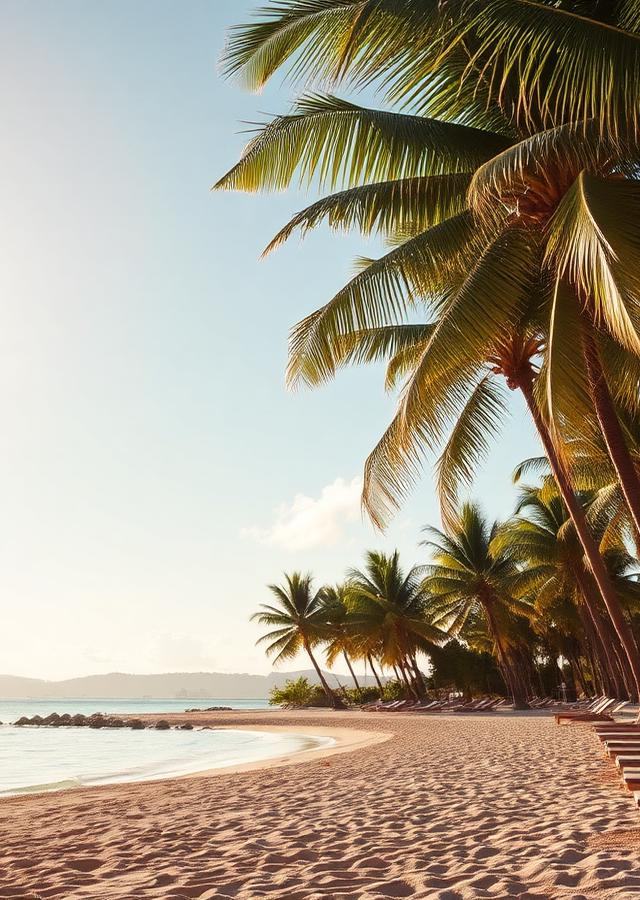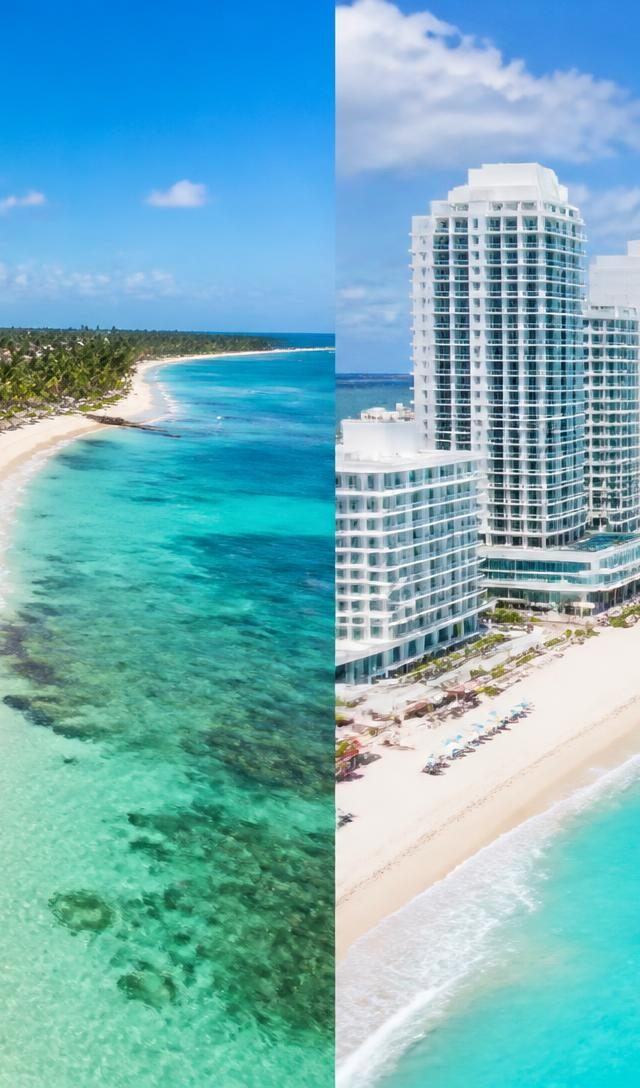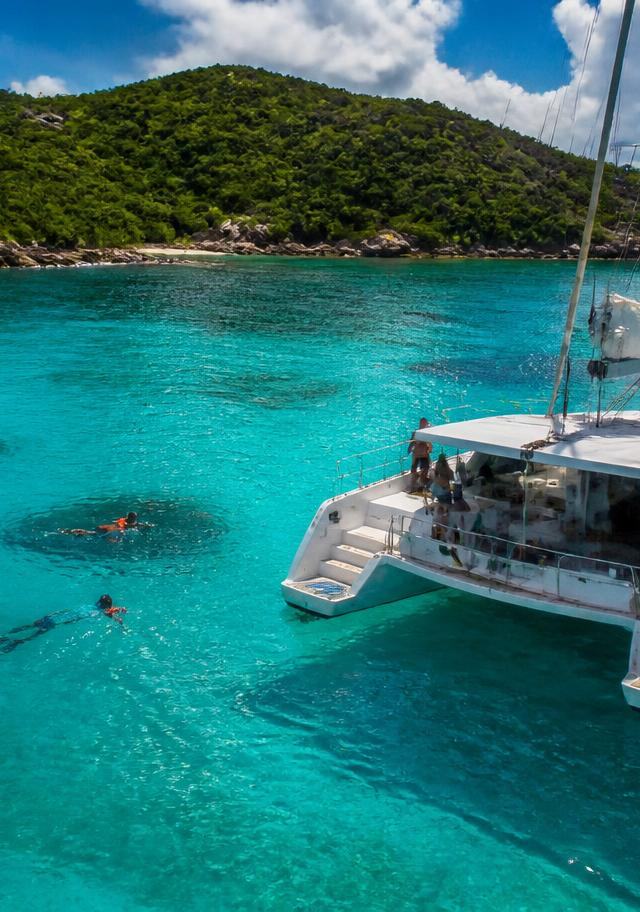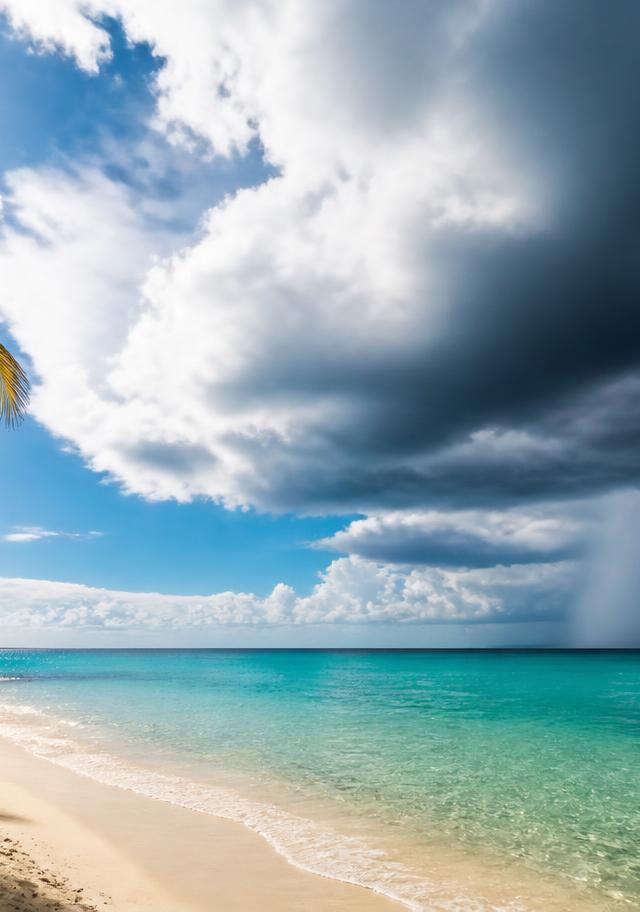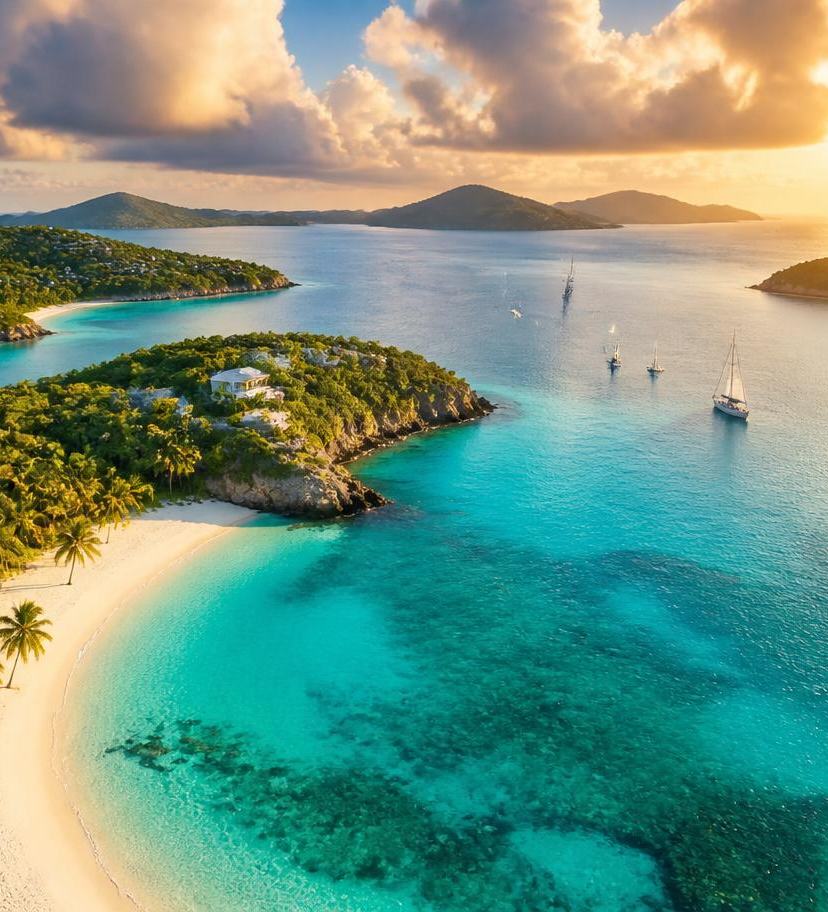
The Caribbean isn’t just a destination on a map; it is an undeniable, soul-stirring feeling. It is the rhythmic pulse of dembow and dancehall carrying over turquoise waters, the warm embrace of tropical trade winds as soon as you step off the tarmac, and the intoxicating scent of roasted coconut and spicy jerk smoke wafting down a vibrant coastline. Whether you are rallying your entire crew for a high-energy festival getaway filled with catamaran parties or seeking a secluded stretch of powdery white sand to simply unplug and recharge, this vast archipelago offers a slice of paradise tailored to your exact wavelength.
However, with over 700 islands, reefs, and cays scattered across more than a million square miles of the Caribbean Sea, planning the perfect tropical escape can quickly become overwhelming. The diversity here is staggering. You have the lush, volcanic spires of the Windward Islands, the historic, cobblestone streets of the Greater Antilles, the relentless, world-class nightlife of Punta Cana, and the desert-like, cactus-studded landscapes of the ABC islands. Every single island boasts its own distinct culture, dialect, culinary identity, and baseline rhythm.
That is exactly why our team of seasoned travel experts and event curators has assembled this definitive resource. We have poured our years of on-the-ground experience, group travel logistics, and deep love for island culture into a comprehensive roadmap designed to help you navigate your next tropical adventure. Prepare to decode the geography of the islands, master the seasonal weather patterns, and lay the logistical groundwork for a truly unforgettable Caribbean experience.
How to Choose Your Perfect Caribbean Destination
The biggest mistake travelers make when booking a Caribbean vacation is assuming all the islands offer the same experience. A long weekend in the rugged, eco-focused terrain of Dominica will feel entirely different from a high-octane bachelor party in the Bahamas or an immersive cultural deep-dive in Cuba. To pinpoint your ideal destination, you need to filter the islands through a few core criteria: your travel style, your group dynamic, and your logistical limits.
First, consider the primary objective of your trip. Are you prioritizing relentless entertainment, VIP bottle service, and mega-clubs? If so, you will want to consult our guide to the best Caribbean islands for nightlife. If you are orchestrating a massive birthday trip or a reunion, you need a destination with robust infrastructure, large resorts, and plenty of group-friendly excursions. Check out our breakdown of the best Caribbean islands for groups to find locations equipped to handle your squad's demands.
Accessibility is another massive factor. If you only have four days for a quick weekend getaway, you cannot afford to burn two days on multi-leg flights and lengthy ferry rides. You need islands with direct airlift from major North American hubs. Conversely, if you have two weeks to spare, you might enjoy the journey of taking a puddle-jumper to a remote, untouched cay.
Finally, budget dictates boundaries. While the Caribbean is historically known for luxury, there is incredible value to be found if you know where to look. Destinations with larger hotel inventories tend to be more competitive with pricing. By prioritizing your top three must-haves (e.g., direct flights, budget-friendly, active nightlife), you can quickly eliminate half the map and zero in on your perfect match.
Decoding the Caribbean Regions
To truly understand the Caribbean, you must understand its geography. The region is loosely divided into four main island groups, each offering a distinct topographical and cultural flavor. Knowing the difference between the Greater Antilles and the Lesser Antilles is the first step in becoming a savvy Caribbean traveler.
The Greater Antilles: Big Islands, Big Energy
The Greater Antilles make up the largest islands in the Caribbean, accounting for nearly 90% of the region's landmass. This chain sits in the northern Caribbean and includes the Dominican Republic, Jamaica, Puerto Rico, Cuba, and the Cayman Islands. Because of their massive size, these islands offer incredible geographic diversity within their own borders—you can hike soaring mountain peaks in the morning and sip rum on a white-sand beach by the afternoon.
The Dominican Republic Occupying the eastern two-thirds of the island of Hispaniola, the Dominican Republic is the undisputed heavyweight champion of Caribbean tourism. It is a nation defined by its vibrant Latin-Caribbean culture, baseball, premium cigars, and the relentless rhythm of bachata and merengue. The resort town of Punta Cana is globally renowned for its sprawling all-inclusive properties and pristine stretches of shoreline like Bavaro Beach. It is also the proud home of Festopia Punta Cana 2027, our flagship destination festival where music, culture, and luxury group travel collide. Beyond Punta Cana, the DR offers the kite-surfing mecca of Cabarete, the whale-watching paradise of Samaná, and the deep historical roots of Santo Domingo’s Zona Colonial.
Jamaica Culturally, Jamaica punches far above its weight class. This English-speaking powerhouse has exported reggae music, jerk cuisine, and a laid-back, "One Love" philosophy to the far corners of the globe. Jamaica is ruggedly beautiful, characterized by the misty Blue Mountains and cascading waterfalls. Travelers typically flock to three main hubs: Montego Bay (perfect for quick airport access and mega-resorts), Negril (famous for its dramatic cliffs, sunsets, and the iconic Seven Mile Beach), and Ocho Rios (the epicenter of adventure travel and waterfall climbs).
Puerto Rico As a United States territory, Puerto Rico offers a unique advantage for American travelers: no passport required. But convenience is just a fraction of its appeal. Puerto Rico is a vibrant fusion of Taíno, Spanish, and African influences. You can spend your days wandering the colorful, 16th-century cobblestone streets of Old San Juan, exploring El Yunque (the only tropical rainforest in the U.S. National Forest System), or dancing to reggaeton in the pulsating nightlife district of La Placita de Santurce.
"The Greater Antilles are the heartbeat of the Caribbean. What they lack in secluded, untouched intimacy, they more than make up for in explosive culture, deep history, and unparalleled musical heritage."
The Lesser Antilles: The Island Hopper’s Paradise
Curving downward in a dramatic arc from Puerto Rico to the coast of South America, the Lesser Antilles are a chain of smaller, incredibly picturesque islands. They are further divided into two sub-groups: the Leeward Islands in the north and the Windward Islands in the south.
The Leeward Islands These islands are situated where the northeastern trade winds first meet the Caribbean. They tend to be a mix of lush, volcanic islands and flat, coral-based atolls.
- Antigua: Famous for boasting exactly 365 beaches—one for every day of the year. It is a major sailing hub with a distinct British colonial influence.
- St. Martin / Sint Maarten: An island uniquely divided between two sovereign nations (France and the Netherlands). It offers world-class dining on the French side and thrilling nightlife and casinos on the Dutch side.
- St. Barts & Anguilla: The glittering jewels of Caribbean luxury, catering heavily to the yachting crowd and high-net-worth travelers seeking boutique exclusivity.
The Windward Islands Moving further south, the Windward islands are generally larger, greener, and more dramatic in their topography, characterized by towering volcanic peaks and dense rainforests.
- St. Lucia: Often called the "Hawaii of the Caribbean," St. Lucia is defined by the iconic, twin Piton mountains rising sharply out of the sea. It is a haven for honeymooners, nature lovers, and those seeking luxury cliffside resorts.
- Barbados: Sitting slightly east of the main island chain, Barbados is the birthplace of rum and Rihanna. It blends sophisticated British traditions (afternoon tea and cricket) with vibrant Bajan culture and legendary Friday night fish fries.
- Grenada: Known as the "Spice Isle," the air here literally smells of nutmeg, cinnamon, and vanilla. It is lush, remarkably safe, and boasts spectacular diving opportunities, including an underwater sculpture park.
The ABC Islands: The Arid Escape
Anchored deep in the southern Caribbean, just off the coast of Venezuela, lie Aruba, Bonaire, and Curaçao. As constituent countries of the Kingdom of the Netherlands, these islands share Dutch colonial architecture but boast deeply unique environments.
What sets the ABC islands apart is their climate. Unlike the lush, green rainforests found elsewhere in the Caribbean, these islands are arid and desert-like, populated by towering cacti and aloe plants. More importantly, they sit well below the traditional Atlantic hurricane belt.
- Aruba: "One Happy Island" is famous for its blindingly white sands (Eagle Beach is routinely ranked among the best in the world), reliable trade winds, and high-desert landscapes. It has a massive tourism infrastructure with excellent dining and casino scenes.
- Bonaire: A quiet, eco-conscious island that is widely considered one of the premier shore-diving destinations on the planet. Its surrounding waters are a protected marine park.
- Curaçao: A vibrant, cosmopolitan island instantly recognizable by the pastel-colored Dutch colonial buildings lining the waterfront of its capital, Willemstad. It offers a sophisticated European vibe mixed with rich Afro-Caribbean heritage, alongside dozens of hidden beach coves.
The Lucayan Archipelago: The Bahamas and Turks & Caicos
Technically located in the western Atlantic Ocean rather than the Caribbean Sea, the Lucayan Archipelago is geographically distinct but culturally and historically grouped with the Caribbean.
The Bahamas Comprising over 700 islands and cays, the Bahamas starts just 50 miles off the coast of Florida. Nassau (on the island of New Providence) is the bustling epicenter, home to massive resort complexes like Baha Mar and Atlantis. However, the true magic of the Bahamas lies in the "Out Islands" or Family Islands (like the Exumas, Eleuthera, and Abaco), where you will find swimming pigs, pink sand beaches, and water so clear astronauts can see it from space.
Turks & Caicos A British Overseas Territory known for having arguably the most spectacular water in the region. Providenciales ("Provo") is the main tourist hub, anchored by the stunning Grace Bay Beach. Turks & Caicos leans heavily into ultra-luxury tourism, featuring high-end villa rentals, pristine coral reefs, and a very quiet, exclusive nightlife scene.
When to Go: Weather, Seasons, and Caribbean Festivals
Timing is everything when planning a trip to the Caribbean. While the region generally enjoys a warm, tropical climate year-round with average temperatures hovering between 75°F and 85°F (24°C - 29°C), the tourist seasons and the weather patterns dictate crowd levels, pricing, and overall vibe. To determine the perfect timing for your trip, consult our comprehensive guide to the best Caribbean islands by month.
High Season (Mid-December to Mid-April)
This is the pinnacle of Caribbean travel. As North America and Europe freeze, millions of travelers flock south seeking refuge in the sun.
- The Vibe: Energetic, bustling, and fully operational. Every restaurant is open, tour boats are running daily, and the nightlife is operating at maximum capacity.
- The Weather: Perfection. The humidity drops, the trade winds are refreshing, and the risk of rain is at its lowest.
- The Catch: This is when the islands are most expensive. Expect premium pricing on flights and accommodations, and be prepared to book months in advance to secure reservations.
Shoulder Season (May to June & November)
For the savvy traveler, shoulder season is the golden window. The winter crowds have returned home, but the heavy summer rains and storm threats have not yet peaked.
- The Vibe: Relaxed but vibrant. You get the best of both worlds—enough tourists to keep the energy alive, but plenty of space on the beach.
- The Weather: Temperatures begin to climb into the upper 80s, and you may experience brief, passing afternoon showers, but nothing that will ruin a beach day.
- The Catch: Occasional resort renovations. Some properties use this time to do light touch-ups before the busy season or after the slow season.
Low Season & Hurricane Season (July to October)
The official Atlantic Hurricane Season runs from June 1st to November 30th, but the highest risk of severe storm activity historically occurs between mid-August and late October.
- The Vibe: Sleepy and intimate. Many boutique hotels and independent restaurants may close for a few weeks of staff vacation.
- The Weather: Hot, humid, and unpredictable. You may experience glorious, glassy-water days, or you might be stuck inside during a multi-day tropical depression.
- The Catch: The weather risk. However, this is also when you will find staggering travel deals.
Caribbean Festivals and Event Travel
A major factor in deciding when to go is the regional festival calendar. The Caribbean is globally famous for its Carnival celebrations, music festivals, and sailing regattas. Aligning your trip with one of these events elevates a standard beach vacation into a life-changing cultural immersion.
Trinidad's legendary Carnival takes place in February or early March, while Barbados hosts Crop Over in early August. Jamaica pulses with Reggae Sumfest in July, and the Bahamas erupts with Junkanoo on Boxing Day and New Year's Day.
For the ultimate blend of music, group travel, and VIP experiences, you will want to keep a close eye on our Caribbean festivals and events calendar 2027, highlighting the region's most anticipated gatherings, including the monumental Festopia activations.
Budgeting & Costs: How Much Does a Caribbean Trip Actually Cost?
The Caribbean is a region of extremes when it comes to pricing. You can rent an ultra-exclusive private island in the Exumas for $50,000 a night, or you can backpack through the Dominican Republic sleeping in beachside hostels for $30 a night. Understanding baseline costs is vital for setting expectations.
If you are looking to maximize your dollar without sacrificing the tropical experience, we highly recommend reading our guides on the cheapest Caribbean islands to visit and how to plan the best Caribbean vacations under $2000.
Below is a realistic look at daily budgets for a single traveler (excluding international airfare) based on travel styles. Note: Prices are typical ranges and will fluctuate based on the specific island and seasonality.
| Budget Level | Typical Daily Cost | Accommodation Style | Dining & Drinks | Activities |
|---|---|---|---|---|
| Budget / Backpacker | $80 - $150 / day | Hostels, basic guesthouses, or budget Airbnbs. | Street food (patties, empanadas), local grocery stores, local beer. | Free beach access, self-guided hikes, local public transit. |
| Mid-Range / Comfort | $250 - $450 / day | 3 to 4-star boutique hotels, mid-tier all-inclusives. | Casual beachfront dining, moderate alcohol consumption, resort buffets. | Group catamaran tours, paid beach clubs, occasional taxis. |
| Luxury / Premium | $600 - $1,500+ / day | 5-star resorts, private luxury villas, premium all-inclusives. | Fine dining, imported wines, VIP bottle service at night clubs. | Private yacht charters, guided scuba excursions, private transfers. |
Major Cost Factors to Consider
1. The Island Premium Islands that import nearly all their goods (like the Turks & Caicos, Cayman Islands, and the Bahamas) are inherently more expensive. A standard cocktail at a resort in Provo might run you $20, whereas the exact same drink in the Dominican Republic might cost $8. Islands with stronger agricultural sectors and larger local populations generally offer more affordable food and drink.
2. The All-Inclusive Debate For group trips and budget-conscious travelers, the all-inclusive model is often the safest bet. Paying one upfront price for your room, meals, alcohol, and non-motorized watersports protects you from "vacation inflation"—that dreaded moment when you realize you've spent $300 on piña coladas by day two. Destinations like Punta Cana and Montego Bay dominate the all-inclusive market, driving down prices through sheer volume and competition.
3. Hidden Taxes and Fees When budgeting, always account for government taxes and resort fees. Many Caribbean nations levy a Value Added Tax (VAT) or room tax that ranges from 10% to 15%. Additionally, luxury resorts often tack on mandatory "resort fees" (ranging from $25 to $100 per night) and automatic gratuities of 10% to 15% on all food and beverage purchases. Always read the fine print before clicking book.
Flights & Major Caribbean Airports
Getting to the Caribbean from North America or Europe is easier than ever, thanks to a massive post-pandemic surge in airlift. However, not all islands are created equal when it comes to flight logistics.
The Major Caribbean Hubs
If you want to minimize travel time and maximize beach time, look for destinations serviced by the region's mega-airports. These hubs receive dozens of daily direct flights from major cities like New York, Miami, Atlanta, Toronto, and London.
- Punta Cana International Airport (PUJ) - Dominican Republic: The busiest airport in the Caribbean. Its iconic open-air, thatched-roof terminals handle millions of passengers a year. Because it is a massive hub, flights to PUJ are frequently among the cheapest in the region.
- Luis Muñoz Marín International Airport (SJU) - Puerto Rico: The primary gateway to the U.S. Caribbean. It offers massive volume from the U.S. mainland and serves as a major connecting hub for smaller islands in the Lesser Antilles.
- Sangster International Airport (MBJ) - Jamaica: Located in Montego Bay, this is the primary tourist gateway for Jamaica, offering countless daily direct flights from the U.S., Canada, and the UK.
- Lynden Pindling International Airport (NAS) - Bahamas: Located in Nassau, offering ultra-fast connections from the U.S. East Coast (a flight from Miami is barely 45 minutes).
Navigating Inter-Island Travel
A common misconception among first-time visitors is that it is easy to "island hop" across the Caribbean, much like taking a train through Europe. The reality is quite different. The Caribbean Sea is massive, and ferry services are strictly limited to islands that are geographically adjacent (e.g., St. Thomas to St. John, or St. Maarten to Anguilla).
To travel between entirely different island nations (for example, from Jamaica to Barbados), you usually have to fly. Historically, this meant flying all the way back to Miami just to fly back down south. Thankfully, regional carriers like Caribbean Airlines, interCaribbean Airways, and Winair are aggressively expanding their routes, making true multi-island itineraries more feasible.
"To secure the best flight deals to the Caribbean, aim to book your flights 2 to 4 months in advance for winter travel, and 1 to 2 months in advance for summer travel. Set price alerts for the major hubs—if a cheap flight drops for Punta Cana, grab it, as the resort inventory there is vast enough to accommodate last-minute bookings."
Entry Requirements, Visas, and Customs
Before you start packing your swimsuits, you need to ensure your paperwork is in order. The Caribbean is made up of independent nations, overseas territories, and constituent countries, meaning entry requirements can vary wildly from island to island.
Passports The golden rule of international travel applies to almost the entire Caribbean: Your passport must be valid for at least six months beyond your planned date of departure from the island. Even if your passport does not expire until a month after your trip, many Caribbean border agents will deny you entry. Check your expiration dates the moment you start planning.
The U.S. Exception: U.S. citizens do not need a passport to travel to U.S. territories, which include Puerto Rico and the U.S. Virgin Islands (St. Thomas, St. Croix, St. John). A valid, government-issued photo ID (like a REAL ID-compliant driver's license) is sufficient. However, if you plan to take a day trip via ferry from the USVI to the neighboring British Virgin Islands, a passport becomes mandatory.
Return Tickets Almost every Caribbean nation requires proof of onward travel upon entry. Immigration officers will likely ask to see your return flight itinerary. If you show up with a one-way ticket, the airline may not even let you board your departing flight, as they face heavy fines for transporting passengers who are subsequently denied entry.
Visas For citizens of the United States, Canada, the United Kingdom, and the European Union, tourist visas are generally not required for short stays (typically up to 30, 60, or 90 days, depending on the island). However, requirements vary for passport holders from other regions, so always verify with the specific island's tourism board or consulate well in advance.
Electronic Arrival Forms (ED Cards) Many Caribbean nations have phased out the old paper customs forms handed out on airplanes in favor of mandatory digital Embarkation/Disembarkation (ED) cards.
- Dominican Republic: Requires a free digital "E-Ticket" to be filled out before arrival and departure.
- Jamaica: Requires the "Enter Jamaica" digital form.
- Aruba, Curaçao, St. Lucia, and others: All have their own specific online portals.
Special Entry Taxes Some destinations require the payment of an entry or exit tax. While many of these are now baked into the cost of your airline ticket, a few still require out-of-pocket payments. For example, Bonaire requires a Visitor Entry Tax (currently around $75 USD) to be paid online prior to arrival, and the Mexican Caribbean (Cancun/Tulum area, which borders the Caribbean Sea) requires a tourist tax called Visitax. Always double-check the fine print for your specific destination so you aren't caught off guard at border control.
(To be continued in the second half, covering accommodations, local food, nightlife, transportation, safety, and our ultimate 10-day itinerary.)
Once you have navigated the logistics of flights, customs, and entry requirements, the real magic of your island getaway begins. The Caribbean is not a monolith; it is a vibrant, diverse mosaic of cultures, topographies, and experiences. How you spend your days—and nights—will depend entirely on the flavor of the island you choose and the type of traveler you are.
Whether you are seeking high-octane parties under the stars, secluded beaches untouched by mass tourism, or a culinary journey through spicy, aromatic local cuisines, the region delivers on all fronts. As we continue this comprehensive /travel-guides/caribbean-travel-guide, we shift our focus from preparation to immersion.
In this second half, we will dive deep into selecting your ideal accommodations, navigating local transportation, staying safe, and experiencing the legendary nightlife and festivals that define Caribbean culture. We will also provide curated itineraries and a comparison table to help you finalize your plans and embark on the trip of a lifetime.
Where to Stay: All-Inclusives, Boutiques, and Villas
Choosing where to rest your head is arguably the most important decision you will make. The Caribbean offers an incredible spectrum of accommodations, each catering to a different travel style and budget.
The All-Inclusive Mega-Resorts
The Caribbean practically invented the modern all-inclusive concept, and destinations like the Dominican Republic, Jamaica, and Mexico’s Riviera Maya dominate this space. These properties are massive, often featuring a dozen restaurants, multiple sprawling pools, water parks, casinos, and nightly theater productions.
- Best For: Travelers who want a stress-free vacation where food, drinks, and entertainment are prepaid. They are incredibly convenient for large groups with varying budgets.
- Adults-Only Options: If you are traveling for a romantic getaway or a high-energy group trip without screaming children in the pool, the region boasts some of the world's most spectacular adults-only properties. Check out our guide to the /travel-guides/best-caribbean-resorts-for-adults for top recommendations.
Boutique Hotels & Eco-Lodges
If wristbands and buffet lines aren't your style, boutique hotels offer a more intimate, culturally immersive experience. You will find chic, design-forward properties in St. Barts and Anguilla, and lush eco-lodges hidden in the jungles of Dominica and St. Lucia.
- Best For: Couples, solo travelers, and those who prioritize personalized service, unique architecture, and farm-to-table dining over mega-amenities.
Luxury Villas and Vacation Rentals
For large squads, bachelor/bachelorette parties, or family reunions, renting a private villa is often the most cost-effective and luxurious route. Islands like Barbados, Turks & Caicos, and Jamaica have massive inventories of private homes that frequently come staffed with a private chef, housekeeper, and security.
The Caribbean Culinary Scene
To truly understand the Caribbean, you have to taste it. The region's food is a rich fusion of African, Indigenous Taino/Arawak, European, and East Indian influences, resulting in dishes that are intensely flavorful, spicy, and deeply comforting.
Must-Try Local Dishes
- Jerk Chicken & Pork (Jamaica): Marinated in fiery Scotch bonnet peppers, allspice, and thyme, then slow-cooked over pimento wood.
- Mofongo (Puerto Rico): Mashed fried green plantains mixed with garlic, pork cracklings (chicharrón), and topped with savory seafood or meat stews.
- Roti (Trinidad & Tobago / Barbados): A massive, warm flatbread wrapped around a hearty, deeply spiced curry made of chicken, goat, or chickpeas.
- La Bandera (Dominican Republic): The traditional lunch plate consisting of rice, red beans, stewed meat, and a side of fresh salad and fried plantains.
Street Food vs. Fine Dining
Do not limit yourself to your resort's dining rooms. Some of the best meals in the Caribbean are served from humble roadside shacks and night markets. Whether it’s grabbing a flying fish sandwich at Oistins Fish Fry in Barbados or eating freshly caught grilled snapper on a beach in the Bahamas, local street food is safe, affordable, and delicious. Conversely, islands like Grand Cayman, St. Barts, and Anguilla offer Michelin-caliber fine dining with massive wine cellars and celebrity chefs.
Nightlife and Entertainment
When the sun sets, the Caribbean transforms. The nightlife here ranges from barefoot beach bars serving potent rum punches to multi-level mega-clubs hosting international DJs.
If after-dark action is a priority for your trip, certain islands simply do it better. Destinations like Puerto Rico, the Dominican Republic, and Jamaica are globally renowned for their music scenes, heavily influencing the worlds of Reggaeton, Dembow, and Dancehall. If you are looking to dance until sunrise, you will want to consult our breakdown of the /travel-guides/best-caribbean-islands-for-nightlife.
Iconic Party Experiences
- The Mega-Clubs of Punta Cana: Venues built into actual underground caves (like Imagine) or sprawling open-air clubs (like Coco Bongo) offer Las Vegas-style productions with a distinctly Latin pulse.
- San Juan's La Placita: By day, it’s a traditional farmers market in Puerto Rico. By night, the surrounding streets close to traffic and erupt into a massive, open-air salsa and reggaeton street party.
- St. Lucia's Gros Islet Street Party: Every Friday night, the streets fill with massive speakers, sizzling barbecue grills, and locals and tourists whining to soca and reggae music.
"Caribbean nightlife is participatory. You aren't meant to stand against the wall holding a drink. Whether you know the steps to a salsa beat or just want to jump to soca, the local culture demands that you get up, move, and let the rhythm take over."
Group Travel and Caribbean Festivals
The Caribbean is practically tailor-made for group travel. The region’s innate celebratory spirit, combined with massive resort capacities and accessible flights, makes it the ultimate destination for milestone birthdays, fraternities, sororities, and festival chasers. In fact, selecting from the /travel-guides/best-caribbean-islands-for-groups ensures your squad has enough infrastructure to support large dinner reservations, expansive boat charters, and block room bookings.
The Rise of Destination Festivals
Beyond traditional Carnival seasons—which sweep through Trinidad in February, Jamaica in April, and Barbados in August—the Caribbean is experiencing a boom in curated music and lifestyle festivals. These events combine the best elements of a tropical vacation with world-class entertainment, themed parties, and celebrity performances.
If you are planning your squad's next major getaway, timing your trip around a major event is the ultimate hack for a guaranteed high-energy vibe. Start mapping out your group's next move by checking the /travel-guides/caribbean-festivals-events-calendar-2027, which tracks the biggest upcoming cultural and music events across the islands.
Getting Around Your Island
Transportation logistics can make or break a vacation. Depending on the island, getting from point A to point B can be a breeze or a frustrating, expensive hassle.
Taxis and Rideshares
On most islands, traditional taxis are the primary mode of transportation for tourists.
- The Catch: Taxis in the Caribbean are rarely metered. You must negotiate and agree on the fare before you get into the vehicle to avoid price gouging.
- Rideshares: Uber is fully operational in Puerto Rico and the Dominican Republic, offering incredibly cheap and reliable rides. However, on most other islands (like Jamaica, Bahamas, and Barbados), international rideshare apps are banned or non-existent, though some local alternatives do exist.
Renting a Car
If you are visiting a geographically large island (like Puerto Rico) or an island meant for exploring (like Curaçao or Antigua), renting a car is highly recommended.
Health & Safety Guidelines
Is the Caribbean safe? This is one of the most common questions travelers ask. The short answer is yes, but like anywhere in the world, common sense is required.
Personal Safety Tips
- Stay in Tourist Zones: The vast majority of violent crime in the Caribbean is localized to specific neighborhoods far away from resorts and tourist hubs.
- Don't Be Flashy: Leave the designer jewelry and expensive watches at home. Wearing flashy items in developing nations can make you an unnecessary target for petty theft.
- Use Licensed Transportation: Never get into an unmarked "gypsy cab." Always use hotel-endorsed taxis, official airport shuttles, or trusted tour operators.
Health and Wellness
- Sun Protection: The Caribbean sun is significantly stronger than in North America or Europe. Use reef-safe sunscreen, wear hats, and hydrate constantly.
- Tap Water: In places like Aruba, Curaçao, and Puerto Rico, tap water is perfectly safe to drink. In places like the Dominican Republic and Mexico, stick strictly to bottled water to avoid traveler's stomach. Ice at major resorts is universally made from purified water, so your frozen margaritas are safe.
- Bugs: Mosquitoes are a reality in the tropics. Pack a strong insect repellent with DEET or Picaridin, especially for evenings and jungle excursions.
The Ultimate Caribbean Packing List
Packing for the Caribbean is relatively straightforward—keep it light, breathable, and colorful.
- Daywear: Swimsuits, cover-ups, linen shirts, lightweight shorts, flip-flops, and a good pair of water shoes for rocky excursions or waterfalls.
- Eveningwear: While the Caribbean is laid-back, many all-inclusive resorts have strict dress codes for their à la carte restaurants (e.g., long pants and collared shirts for men, no flip-flops). Pack a few "resort evening casual" outfits.
- Essentials: A waterproof phone pouch, polarized sunglasses, a portable power bank, and a basic first-aid kit with pain relievers and antacids.
10-Day Caribbean Itinerary Ideas
If you have 10 days to spare, you have enough time to truly sink your teeth into an island's culture. You can easily knock out several items on your /travel-guides/50-caribbean-bucket-list-experiences with a well-planned schedule. Here are two conceptual itineraries.
Option 1: The Dominican Republic "Beaches & Culture" Split
The DR is massive and offers incredibly diverse regions.
- Days 1-5 (Punta Cana): Fly into PUJ. Check into an all-inclusive mega-resort. Spend these days indulging in total relaxation, bottomless drinks, catamaran party cruises, and dancing at night.
- Days 6-8 (Santo Domingo): Take a private transfer to the capital. Stay in a boutique hotel in the Zona Colonial. Explore 16th-century architecture, incredible street art, and some of the best culinary spots in the Caribbean.
- Days 9-10 (Boca Chica / Juan Dolio): Hit the beaches just outside the city for a final taste of the ocean, eating freshly fried fish on the sand before flying out of Santo Domingo (SDQ).
Option 2: The Puerto Rico "Adventure & Bioluminescence" Loop
No passport needed for U.S. citizens, making this an easy high-action trip.
- Days 1-3 (San Juan): Explore Old San Juan’s forts, eat mofongo, and party at La Placita.
- Days 4-5 (El Yunque & Luquillo): Rent a car and hike the only tropical rainforest in the U.S. National Forest System. Cool off at Luquillo Beach and eat at the famous food kiosks.
- Days 6-8 (Vieques Island): Take the ferry to the island of Vieques. Relax on wild, untouched beaches alongside wild horses. At night, kayak through Mosquito Bay, the brightest bioluminescent bay in the world.
- Days 9-10 (West Coast - Rincón): Drive to the west coast for legendary sunsets, surfing culture, and laid-back beach bars before departing from Aguadilla (BQN) or driving back to San Juan.
Quick Reference: Island Comparison Table
If you are a beginner feeling overwhelmed by choices, our guide to the /travel-guides/best-caribbean-islands-for-first-time-travelers is a great starting point. Below is a quick comparison matrix of some of the most popular islands to help narrow down your search.
| Island | Primary Vibe | Best For | Typical Budget Level | Do U.S. Citizens Need a Passport? |
|---|---|---|---|---|
| Dominican Republic | High-energy, resort-heavy, musical | Mega-resorts, nightlife, affordable luxury | Low-Medium | Yes |
| Puerto Rico | Historical, adventurous, vibrant | Rainforest hikes, culinary scene, easy logistics | Medium | No |
| Jamaica | Culturally rich, laid-back, romantic | Reggae culture, romantic adults-only resorts, waterfalls | Medium | Yes |
| Aruba | Desert-meets-ocean, safe, breezy | Consistent sunny weather, couples, ease of travel | High | Yes |
| Barbados | Refined, rum-soaked, friendly | Surfing, culinary festivals, luxury villas | High | Yes |
| Bahamas | Water-centric, close to the US, bustling | Boating, quick weekend getaways, massive casinos | Medium-High | Yes |
| St. Lucia | Lush, volcanic, dramatic | Honeymoons, eco-adventures, iconic mountain views | High | Yes |
Looking to keep costs down? Check out our deep dive into the /travel-guides/cheapest-caribbean-islands-to-visit for more budget-friendly alternatives.
Frequently Asked Questions
What is the absolute best time to visit the Caribbean?
The absolute best time to visit is generally between mid-December and mid-April when the weather is consistently sunny, dry, and cool. However, this is also peak season, meaning prices will be at their highest and crowds will be dense. For a more tailored approach, check out our guide on the /travel-guides/best-caribbean-islands-by-month to find the sweet spots for weather and deals.
Is it possible to do a Caribbean vacation on a tight budget?
Absolutely, the Caribbean is not exclusively for luxury travelers. By choosing destinations like the Dominican Republic, Puerto Rico, or Curaçao, and traveling during the shoulder seasons (May-June or November), you can easily find incredible deals. For concrete planning, review our top recommendations for the /travel-guides/best-caribbean-vacations-under-2000.
What is hurricane season and should I avoid traveling then?
Hurricane season runs from June 1st to November 30th, with peak activity typically occurring in August and September. You do not have to avoid traveling, as direct hits on specific islands are statistically rare, and travel insurance can protect your investment. Alternatively, you can book trips to the "ABC Islands" (Aruba, Bonaire, Curaçao) which sit outside the primary hurricane belt.
Are all-inclusive resorts really worth the money?
If you plan to consume several cocktails a day, eat three full meals, and partake in on-site entertainment, all-inclusive resorts provide massive value and cost certainty. They are especially worthwhile for group travel because no one has to split complex dinner bills at the end of the night. If you prefer exploring local towns and trying different off-property restaurants daily, an all-inclusive will be a waste of your money.
Do I need to exchange money or can I just use US Dollars?
In many popular tourist hubs like the Bahamas, Jamaica, and the Dominican Republic, US Dollars are widely accepted at resorts, tourist shops, and taxis. However, change is almost always given in the local currency. For smaller islands or if you plan to travel deep into local neighborhoods, it is best to pull local currency from an ATM upon arrival for the best exchange rate.
How far in advance should I book my Caribbean trip?
For peak winter travel (December-April) or major holiday weeks, you should book flights and accommodations 4 to 6 months in advance. For summer travel or shoulder season, 2 to 3 months is usually sufficient to secure good rates. If you are traveling for a major festival or Carnival, you often need to book your hotel up to a year in advance due to massive demand.
Do I need travel insurance for the Caribbean?
It is highly recommended to purchase travel insurance for any Caribbean trip. It protects you against flight cancellations, lost baggage, and most importantly, unforeseen medical emergencies which may require expensive medical evacuations. Furthermore, if you are traveling during hurricane season, a "Cancel For Any Reason" policy is the smartest investment you can make.
Can I drink the tap water in the Caribbean?
This varies significantly by island. The tap water is perfectly safe to drink in places like Aruba, Curaçao, Martinique, and Puerto Rico, as they have advanced desalination and purification plants. In countries like the Dominican Republic and Mexico, you must strictly drink bottled water and avoid using tap water even for brushing your teeth.
Your Caribbean Adventure Awaits
The Caribbean is a region that calls you back time and time again. You might visit for the pristine beaches, but you will return for the warmth of the people, the rhythm of the music, and the unmistakable, soul-soothing energy of island life. Armed with this guide, you are ready to stop dreaming and start booking.
If you are ready to combine everything you've just read into one unforgettable, frictionless group travel experience, look no further than our flagship event. Join thousands of travelers from across the globe for a week of premium parties, luxury accommodations, and unmatched tropical vibes at /events/festopia-punta-cana-2027. Gather your crew, pack your bags, and we will see you on the sand.

Our team researches destinations, hotels, nightlife, excursions, and travel tips to help travelers plan unforgettable Festopia experiences around the world.
View all Travel Guides