Best Caribbean Vacations Under $2,000
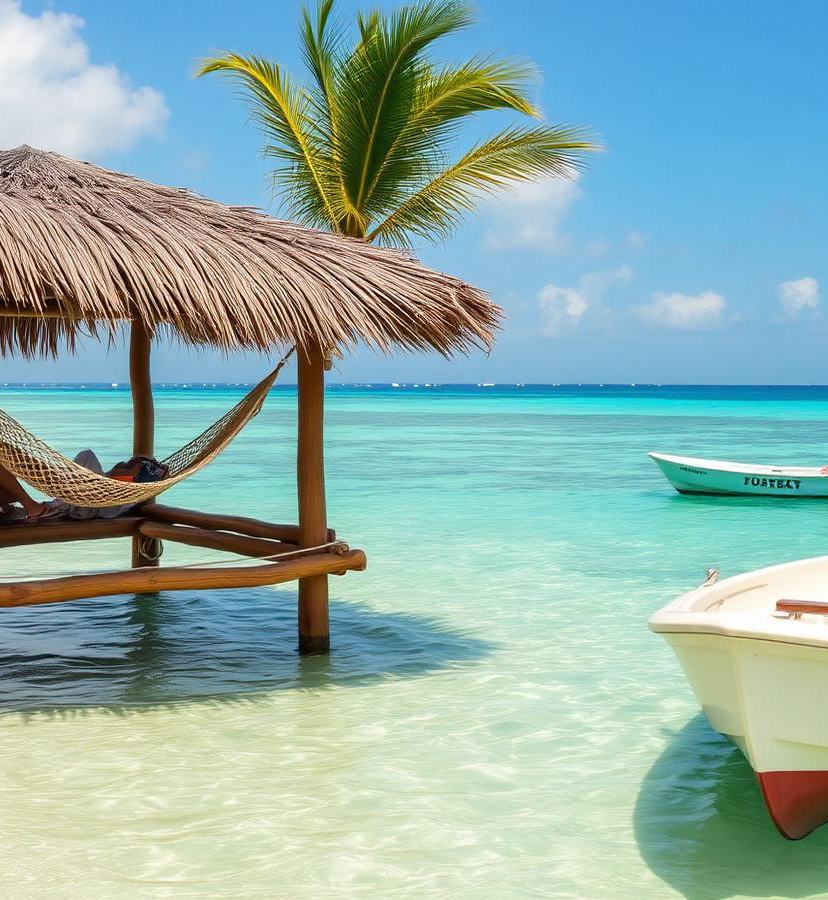
Securing a $2,000 Caribbean Getaway in 2027
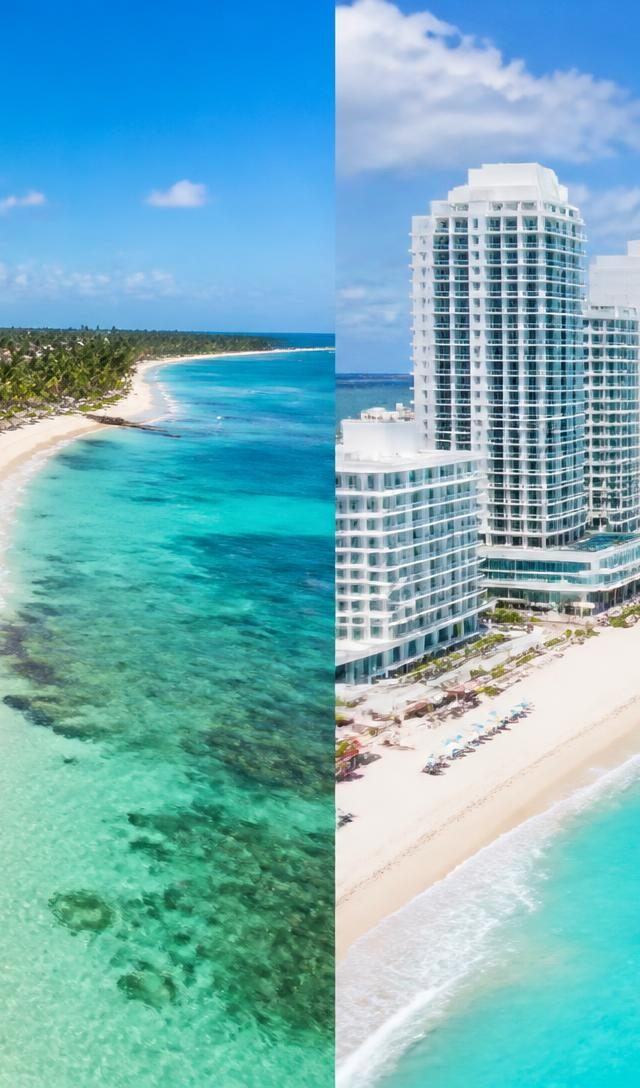
Image suggestion: A wide angle shot looking down a bright, white-sand beach with turquoise water on one side and a row of modest, colorful beachfront bungalows on the other. | Alt text: Modest beachfront bungalows on a white sand Caribbean beach. | Caption: Staying under budget requires skipping the mega-resorts in favor of smaller, independent beachfront properties.
Pulling off a Caribbean vacation for under $2,000 for two people is entirely possible, but it requires strategic planning. The era of booking a last-minute flight and stumbling into a cheap beachfront room is behind us. Today, strict budget travel demands that you prioritize flight volume, favorable exchange rates, and destinations with a robust middle-class tourism infrastructure.
For the purposes of this guide, a $2,000 budget is defined as a four-night trip for two travelers sharing a room. This figure must cover your round-trip flights from the mainland United States, four nights of lodging, all meals, and basic ground transportation. We are not aiming for bare-bones backpacking here. You will sleep in comfortable beds with air conditioning, eat well, and spend your days by the water.
Finding the best Caribbean vacations under $2,000 means avoiding islands that rely entirely on ultra-luxury tourism or require expensive puddle-jumper flights. You have to follow the major airline routes. Destinations like St. Barts, Anguilla, and the Turks and Caicos are mathematically out of bounds for this price point. Instead, you must look toward the larger islands with high hotel inventory and heavy competition among commercial airlines.
At a Glance: Top Budget Destinations
Below is a rapid-fire look at the islands where a $2,000 budget for two stretches the furthest for a four-night stay. Prices are approximate USD ranges that shift significantly by season. Travelers should always confirm current rates before booking.
| Destination | Primary Appeal | Est. Flight (Round Trip) | Est. Nightly Hotel | Vibe |
|---|---|---|---|---|
| Dominican Republic | Unmatched all-inclusive value | $250 - $450 | $150 - $250 | High energy, beach-focused |
| Puerto Rico | No passport required (US) | $150 - $350 | $130 - $220 | Culinary, historic, adventurous |
| Jamaica | Boutique hotels and culture | $300 - $500 | $120 - $200 | Laid-back, music-driven |
| Curaçao | Outside the hurricane belt | $350 - $550 | $140 - $210 | European architecture, diving |
Table of Contents
- The Anatomy of a $2,000 Budget
- Navigating Seasons and Weather
- Dominican Republic: The Volume King
- Puerto Rico: The Domestic Advantage
- Jamaica: Independent Hotel Value
- Curaçao: The ABC Island Loophole
The Anatomy of a $2,000 Budget
Image suggestion: A top-down view of a wooden table featuring a spread of affordable local Caribbean street food, a local beer, and a pair of sunglasses. | Alt text: Affordable local Caribbean street food and a beer on a wooden table. | Caption: Managing daily food costs is the easiest way to protect your overall trip budget.
To make this math work for two people, you need a rigid framework. You cannot wing your spending once you touch down. If you do, airport transfers and overpriced resort cocktails will obliterate your funds by day two.
A standard $2,000 budget for two people over four nights breaks down to exactly $500 per person, plus $500 per person for flights. However, a more realistic distribution looks like this:
- Flights: $700 total ($350 per person)
- Accommodations: $700 total ($175 per night)
- Food & Drink: $400 total ($100 per day for two)
- Transfers & Activities: $200 total
Securing flights for under $400 per person is the linchpin of this entire strategy. If you live in an East Coast hub like Miami, New York, or Atlanta, this is a routine task. If you are flying from the West Coast or a smaller regional airport, you will likely need to dedicate a larger percentage of your budget to airfare and slash your accommodation spend accordingly.
"The single biggest mistake budget travelers make in the Caribbean is ignoring the cost of ground transportation. A cheap hotel that requires a $100 round-trip taxi ride to the beach is not a cheap hotel."
Your daily food budget of $100 for two people means avoiding sit-down tourist restaurants for every meal. You will need to embrace local bakeries for breakfast, grab street food or beachside snacks for lunch, and split your dinner budget carefully. Choosing accommodations that include a basic breakfast can save you up to $40 a day right off the top.
Navigating Seasons and Weather
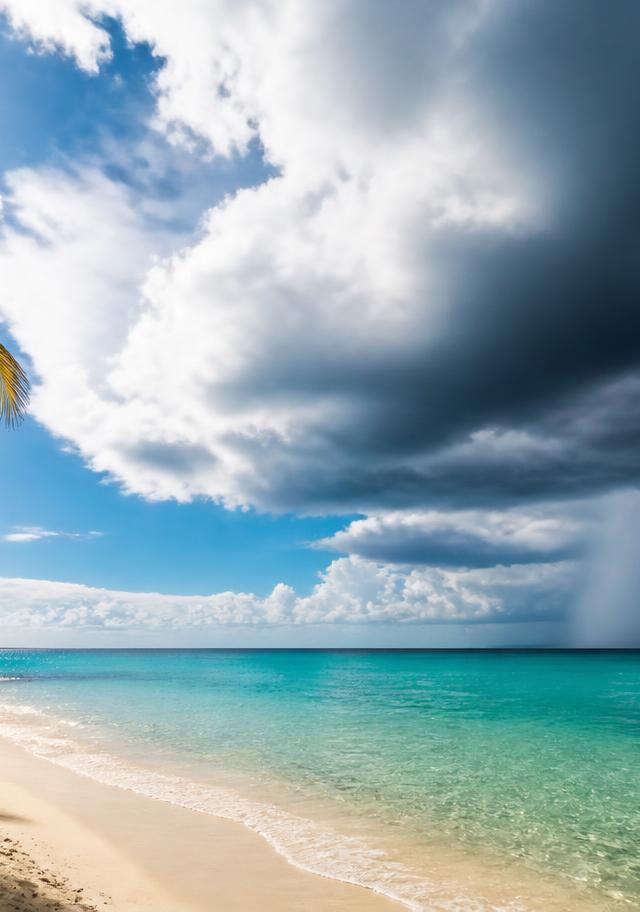
Image suggestion: A split image showing a calm, clear beach on the left and a dramatic, cloudy sky over the ocean on the right. | Alt text: Split image of sunny beach and cloudy Caribbean sky. | Caption: Understanding seasonal weather patterns is essential for balancing budget and travel experience.
The most direct route to the best Caribbean vacations under $2,000 is traveling during the shoulder or low seasons. Peak season (mid-December through April) comes with a massive premium on both flights and hotel rooms. If you insist on traveling over the winter holidays or during spring break, a $2,000 budget is nearly impossible to maintain without drastically reducing the quality of your trip.
The traditional low season aligns with the Atlantic hurricane season, which officially runs from June 1 through November 30. The absolute peak for storm activity occurs between August and October. Traveling during these months guarantees the lowest possible rates, but you assume a calculated risk regarding the weather.
If you choose to travel during hurricane season, travel insurance is non-negotiable. Look for policies that explicitly cover weather-related cancellations and trip interruptions. You should also temper your expectations regarding ocean conditions; even if a storm is hundreds of miles away, it can create heavy surf and rain bands that wash out beach days.
Shoulder season (May and November) is the sweet spot for budget travelers. The weather is generally more stable than the deep summer, but the winter crowds have either not yet arrived or have just departed. Hotel rates during these months are often 20% to 30% lower than in January. For broader advice on timing your trip, consult our overarching Caribbean Travel Guide.
Dominican Republic: The Volume King
Image suggestion: A wide view of the sprawling Bavaro Beach in Punta Cana, showing palm trees, white sand, and the distant facades of low-rise resort buildings. | Alt text: Wide shot of Bavaro Beach in Punta Cana with palm trees. | Caption: Punta Cana's massive hotel inventory keeps nightly rates fiercely competitive year-round.
When it comes to sheer value, the Dominican Republic remains virtually unbeatable. The country boasts multiple international airports, massive hotel inventory, and an economy heavily scaled for tourism. This combination of high supply and high demand makes it one of the cheapest Caribbean islands to visit.
Punta Cana (PUJ) is the epicenter of this budget-friendly tourism. The airport receives dozens of daily flights from major US carriers and ultra-low-cost airlines alike. If you are flexible with your dates, securing a round-trip ticket for under $350 is highly probable.
Punta Cana Accommodation Strategy
The Dominican Republic is famous for its massive all-inclusive resorts. For budget travelers, these properties offer incredible cost certainty. When your room, meals, and drinks are paid for upfront, you completely eliminate the anxiety of daily budgeting.
However, a $2,000 budget for two means you are looking at entry-level or mid-tier all-inclusives, not ultra-luxury properties. Expect older rooms, buffet-heavy dining, and crowded pool decks. If you value privacy and high-end culinary experiences, the budget all-inclusive route will disappoint you.
Alternatively, you can skip the all-inclusive model entirely. Areas like Bavaro have a thriving community of independent boutique hotels and vacation rentals. A clean, modern room a block away from the best beaches in Punta Cana can easily be found for $80 to $120 a night. This leaves you plenty of room in the budget to explore the local dining scene.
| Lodging Type | Avg. Nightly Rate | Pros | Cons |
|---|---|---|---|
| Budget All-Inclusive | $180 - $250 | Complete cost certainty | Mediocre food, large crowds |
| Independent Boutique | $90 - $140 | Authentic feel, quiet | Must pay for all meals/drinks |
| Vacation Rental | $70 - $120 | Access to a kitchen | Hidden cleaning fees |
Eating and Getting Around
If you opt against the all-inclusive route, eating cheaply in the Dominican Republic is simple if you eat like a local. Sit-down tourist restaurants along the beach will charge US prices. Instead, look for local comedores serving the bandera dominicana (rice, beans, and meat) for under $8 a plate.
Transportation is where many travelers accidentally blow their budget. Airport taxis in Punta Cana have highly inflated, fixed rates. A 20-minute ride to your hotel can easily cost $40 each way. To protect your funds, pre-book a shared shuttle online before you arrive, which typically costs around $15 per person.
If you are planning to attend major regional events, factor those specific costs into your total. For example, passes for Festopia Punta Cana 2027 will dictate your daily schedule and require you to secure lodging in specific zones of Bavaro to minimize taxi fares. Check the Punta Cana weather by month guide to ensure your event dates align with comfortable conditions.
Puerto Rico: The Domestic Advantage
Image suggestion: A vibrant, narrow cobblestone street in Old San Juan lined with bright pastel colonial buildings and wrought-iron balconies. | Alt text: Colorful colonial buildings on a cobblestone street in Old San Juan. | Caption: Puerto Rico offers an incredibly rich cultural experience without the need for a passport.
Puerto Rico is a unique budgetary loophole for US citizens. Because it is a US territory, you do not need a passport to visit. Passports currently cost well over $130, so avoiding this expense immediately frees up critical funds for your trip.
Furthermore, because flights to San Juan (SJU) are considered domestic routes by US carriers, they are often significantly cheaper than international flights. The lack of international taxes and fees keeps ticket prices artificially low, making this a prime target for the best Caribbean vacations under $2,000. It is consistently ranked among the best Caribbean islands for first-time travelers for exactly this ease of access.
Strategic Neighborhoods in San Juan
While resort areas like Condado and Isla Verde offer beautiful beachfronts, their hotel rates rarely fit a strict $2,000 budget. Nightly rates in these zones easily push past $300 during the high season. To make the math work, you must look slightly off the immediate beachfront.
The neighborhood of Ocean Park is a fantastic compromise. It offers a spectacular, wide beach with fewer high-rises and a more residential feel. Guesthouses and small boutique hotels here frequently hover around the $150 per night mark. You are still steps from the sand, but you avoid the premium resort pricing.
Alternatively, the arts district of Santurce offers an incredibly vibrant, urban experience. You will not have ocean views, but you will find stylish, independent hotels for under $130 a night. Santurce also provides immediate access to some of the cheapest and best food on the island, allowing you to stretch your $100 daily food budget effortlessly.
Mastering the Food Budget
Puerto Rico offers a spectacular culinary scene, but fine dining in San Juan is expensive. To eat well on a budget, you must utilize the island's robust network of local eateries.
Breakfast should always be sourced from a local panadería (bakery). A massive mallorca sandwich (sweet bread dusted with powdered sugar, stuffed with ham and cheese) and a strong cup of local coffee will cost less than $10. These bakeries are ubiquitous and offer vastly superior food to standard hotel breakfasts.
For lunch and dinner, seek out food trucks and local kiosks. If you venture out to the town of Luquillo (about 45 minutes east of San Juan), you will find the famous Kioskos de Luquillo. This strip of over 60 vendors serves everything from cheap, deep-fried alcapurrias to fresh ceviche.
| Meal Type | Expected Cost (Per Person) | Best Budget Options |
|---|---|---|
| Breakfast | $6 - $12 | Local panaderías, street coffee carts |
| Lunch | $10 - $18 | Food trucks, empanada stands, kiosks |
| Dinner | $20 - $40 | Casual neighborhood fondas, pizza |
The Transportation Trade-Off
The main drawback of Puerto Rico for budget travelers is the cost of ground transportation. If you stay in San Juan, you can rely heavily on ride-share apps like Uber, which are relatively affordable and plentiful. A ride from the airport to Ocean Park will run about $15.
However, if you want to explore the rainforest of El Yunque, surf in Rincon, or see the bioluminescent bays, you absolutely must rent a car. Car rentals, insurance, and gas will easily consume $70 to $100 a day. If you are strictly adhering to a $2,000 limit, you are better off staying in the San Juan metro area and utilizing cheap ride-shares rather than attempting a cross-island road trip. Before you fly out, make sure to review a reliable Caribbean packing checklist to avoid purchasing overpriced essentials like reef-safe sunscreen upon arrival.
Jamaica: Independent Hotel Value
Image suggestion: A view looking down from jagged limestone cliffs into deep, perfectly clear turquoise water in Negril, Jamaica. | Alt text: Limestone cliffs dropping into turquoise water in Negril. | Caption: Negril's West End offers dramatic cliffside boutique hotels that frequently undercut beachfront resort prices.
Jamaica is a massive island with a deeply entrenched tourism industry, which works heavily in favor of budget travelers. The island is served by two main international airports, but budget travelers should focus entirely on Sangster International Airport (MBJ) in Montego Bay. Flight volume into MBJ is massive, keeping airfare highly competitive.
While Jamaica is famous for pioneering the all-inclusive resort concept, the best value on the island actually lies in its small, independent hotels. By stepping away from the mega-resorts, you can experience a much more authentic side of the island while keeping your spending firmly in check.
Montego Bay vs. Negril
When flying into MBJ, you have two primary options for a budget vacation: stay in Montego Bay, or take the 90-minute drive west to Negril.
Montego Bay offers the undeniable advantage of proximity. You can land, clear customs, and be at your hotel in 15 minutes. The "Hip Strip" (Gloucester Avenue) is lined with older, mid-range hotels where you can often secure a room for under $130 a night. You get immediate access to Doctor's Cave Beach, but the area is highly commercialized and heavily tailored to cruise ship passengers.
Negril requires a longer transfer, but it provides vastly superior value. The area is divided into two distinct zones: Seven Mile Beach and the West End (the cliffs). Budget travelers should immediately look to the West End. Here, small, family-run boutique properties sit directly on the limestone cliffs overlooking the ocean. You won't have a sandy beach, but you will have private ladder access straight into the Caribbean Sea. Rooms in the West End frequently price out between $90 and $140 a night.
Navigating Jamaican Food Costs
Eating on a budget in Jamaica is incredibly rewarding if you enjoy heavily spiced, flavorful food. Sit-down restaurants aimed at tourists will charge $25 to $40 for an entree. You must bypass these in favor of local staples.
The Jamaican patty is the ultimate budget traveler's resource. These flaky pastries filled with spicy beef, chicken, or vegetables cost about $2 to $3 each. Two patties and a cold Red Stripe beer make a highly satisfying lunch for under $10. Look for the major national chains like Juici Patties or Tastee Patties.
For dinner, jerk chicken is your go-to option. Authentic jerk is cooked over pimento wood in modified oil drums right on the side of the road. A quarter chicken with hard dough bread or festival (sweet fried dough) will rarely cost more than $8.
Ground Transportation Strategies
Getting around Jamaica cheaply requires a bit of local knowledge. Private airport transfers from Montego Bay to Negril can easily cost $80 to $120 each way, which is a massive hit to a $2,000 budget.
Instead, utilize the Knutsford Express. This is a fleet of modern, air-conditioned coach buses that run routes across the entire island. A one-way ticket from the Montego Bay airport to Negril costs roughly $20 per person. It is comfortable, safe, and wildly cost-effective.
Once in town, skip the private tourist taxis and learn to use "route taxis." These are shared cabs that run along fixed routes, much like a bus system. A short hop down Seven Mile Beach in a route taxi costs roughly $1.50, compared to the $15 a private driver will charge you. Just look for cars with red license plates, which indicate they are officially licensed public transport. For couples looking for a slightly more upscale but still affordable vibe, some smaller Negril properties rank highly among the best Caribbean resorts for adults without charging premium prices.
Curaçao: The ABC Island Loophole
Image suggestion: A row of iconic, brightly colored Dutch colonial buildings standing along the waterfront in Willemstad, Curaçao. | Alt text: Colorful Dutch colonial buildings on the Willemstad waterfront in Curacao. | Caption: Willemstad provides European architectural charm at a fraction of the cost of neighboring islands.
For travelers who absolutely must travel between August and October, the traditional Caribbean map becomes a minefield of potential hurricanes. To protect your trip, you have to look far south to the ABC islands (Aruba, Bonaire, and Curaçao), which sit safely below the standard hurricane belt.
Aruba is famous but notoriously expensive, and Bonaire is a specialized haven for scuba divers. Curaçao is the budgetary loophole. It offers the same arid, sunny climate and striking Dutch colonial architecture as Aruba, but with a significantly lower cost of living and cheaper hotel inventory.
To keep costs down in Curaçao, look for boutique guesthouses in the Pietermaai or Scharloo districts of Willemstad. These neighborhoods are highly walkable, removing the immediate need for a daily rental car if you plan to stay local. Expect to pay between $110 and $150 per night for a stylish, air-conditioned room.
When it is time to eat, Curaçao shines for budget travelers. Skip the waterfront tourist traps and find a local Truk'i Pan (food truck) after dark. These trucks serve massive portions of grilled chicken, steak, and fries smothered in peanut sauce for around $10. For daytime meals, Plasa Bieu in Punda offers hearty stews and whole fried fish for less than $12.
Curaçao’s best beaches are out on the western tip of the island, known as Westpunt. Renting a car for just one or two days of your trip (around $40 per day) allows you to beach-hop efficiently. Beaches like Grote Knip are completely free to enter, while stunning spots like Cas Abao charge a nominal entry fee of around $3 per car.
The Dominican Republic: High-Volume Value
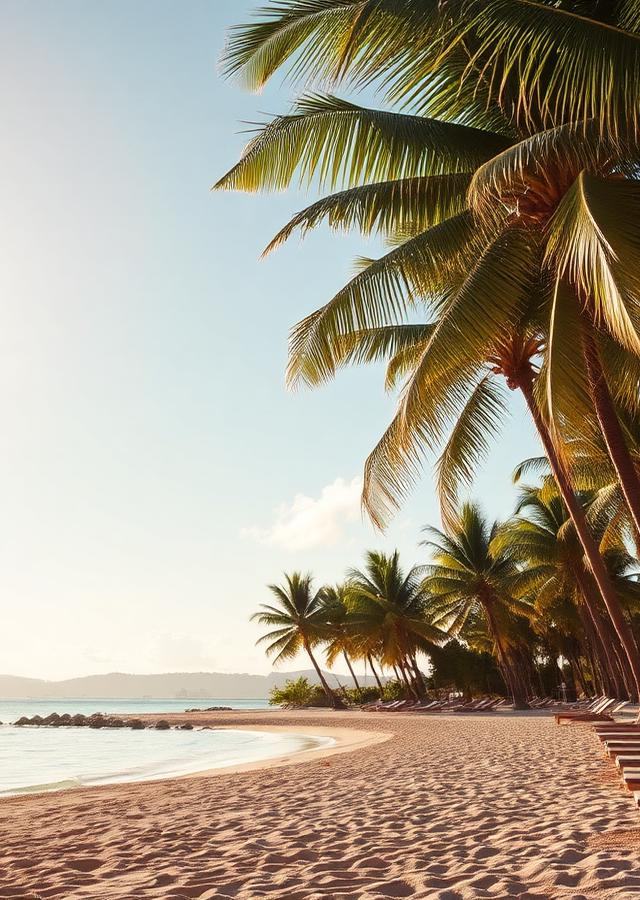
Image suggestion: Palm trees leaning over the bright turquoise water and white sand of Bavaro Beach in Punta Cana. | Alt text: White sand and clear water at Bavaro Beach in the Dominican Republic. | Caption: Punta Cana's sheer density of resorts creates intense competition, driving down prices for travelers.
The Dominican Republic is the undisputed heavyweight champion of affordable Caribbean travel. This is purely a matter of supply and demand. The country has tens of thousands of hotel rooms and massive flight capacity from major North American hubs.
Because so many airlines fly into Punta Cana (PUJ) and Santo Domingo (SDQ), airfare is consistently competitive. It is not uncommon to find round-trip flights from the East Coast for under $350. This leaves a massive chunk of your budget for lodging and entertainment.
Punta Cana is heavily reliant on the all-inclusive model. While ultra-luxury resorts exist, there is a massive tier of mid-range properties that offer excellent value. During the shoulder season (May and November), a couple can easily secure a four-night stay at a four-star all-inclusive for under $1,000.
When evaluating the best Caribbean vacations under $2,000, the Dominican Republic consistently offers the most straightforward path. You pay upfront, your meals and drinks are covered, and you do not have to worry about constantly pulling out your wallet. For travelers debating between massive resort hubs, understanding the nuances of Punta Cana vs Cancun comes down to whether you prefer wider, calmer beaches (Punta Cana) or more intense nightlife and historical ruins (Cancun).
Puerto Rico: The No-Passport Advantage
Puerto Rico offers an immediate budget advantage for United States citizens: you do not need a passport to enter. If you are a couple traveling together and neither of you has a current passport, choosing Puerto Rico instantly saves you roughly $260 in application fees.
Flights to San Juan (SJU) are plentiful and often operate like domestic routes, meaning budget carriers fly here frequently. To keep your trip under budget, however, you must immediately leave the expensive San Juan beachfront districts of Condado and Isla Verde.
Instead, rent a cheap car and drive 45 minutes east to Luquillo, or two hours west to Rincon or Cabo Rojo. In these areas, you can find excellent local Airbnbs or small inns for under $130 a night. You will also have access to pristine, uncrowded beaches and phenomenal local food.
Dining in Puerto Rico is exceptionally budget-friendly if you eat where locals eat. Stop at roadside kioskos for empanadillas, alcapurrias (fried plantain fritters), and pinchos (meat skewers) for just a few dollars each. A massive lunch at a local panaderia (bakery) rarely exceeds $12.
Seasonality: Timing Your Budget
Your ability to stay under budget relies entirely on the calendar. Caribbean pricing fluctuates wildly based on North American weather patterns.
High Season (Mid-December to Mid-April)
This is when everyone wants to escape the snow. Flights and hotels are at their absolute peak pricing. Pulling off a $2,000 vacation for two people during February is possible, but it requires extreme discipline, budget airlines, and likely staying in a very basic guesthouse rather than a resort.
Shoulder Season (May, June, November)
This is the sweet spot. The weather is still generally excellent, but the winter crowds have dispersed. Hotels drop their rates by 20% to 30%, and airlines run flight sales to fill empty seats. If you are tracking the best Caribbean islands by month, May and November consistently offer the highest return on investment.
Low Season / Hurricane Season (July to October)
Prices bottom out completely in late summer and early fall. You can stay in luxury accommodations for mid-range prices. However, this comes with major caveats.
"Booking a Caribbean trip in September requires a strong stomach for weather anxiety. Travel insurance is not optional; it is a fundamental requirement."
August through October is the peak of the Atlantic hurricane season. Furthermore, the eastern and southern coasts of many islands face severe sargassum seaweed influxes during the spring and summer months. If you book during this time, stick to the ABC islands (Aruba, Bonaire, Curaçao) to avoid storms, or monitor seaweed forecasts closely.
Budgeting Strategies: Strict vs. Accessible Luxury
A $2,000 budget for two people is generous if you are thrifty, but it can disappear rapidly if you are careless. Here is how to approach the finances based on your travel style. Note that all prices are approximate USD and shift based on the season.
The Strict Budget Approach ($1,200 - $1,500 total)
If you want to spend as little as possible while still having a great time, focus on Jamaica or the Dominican Republic.
- Flights: $500 total (utilizing budget carriers with only a personal item).
- Lodging: $500 total (5 nights in a highly-rated guesthouse or hostel private room).
- Food & Drink: $300 total (eating exclusively street food, local bakeries, and grocery store beer).
- Activities & Transport: $200 total (public buses, free public beaches, walking).
The Accessible Luxury Approach ($1,800 - $2,000 total)
If you want a traditional resort experience without breaking the $2k ceiling, you must compromise on the destination and the season.
- Flights: $600 total (flying a major carrier into a major hub like Punta Cana in October).
- Lodging, Food & Drink: $1,200 total (4 nights at a solid 4-star all-inclusive resort where meals are baked into the cost).
- Transport: $100 total (pre-booked roundtrip airport shuttle).
- Activities: $100 total (one modest boat excursion, spending the rest of the time utilizing free resort amenities).
Recommendations by Traveler Type
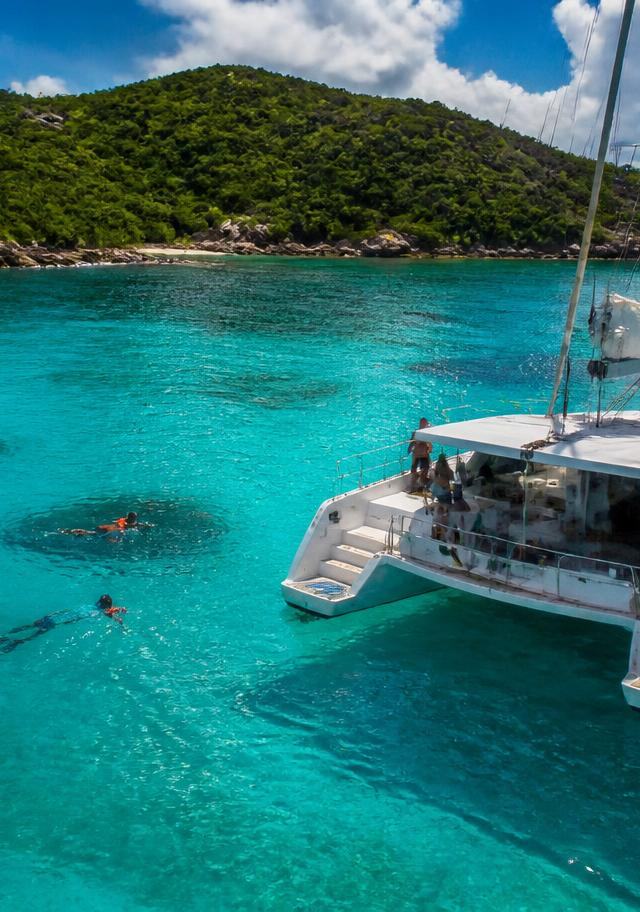
Image suggestion: A group of friends toasting with tropical drinks on a catamaran at sunset. | Alt text: Friends drinking on a catamaran at sunset in the Caribbean. | Caption: Group travel allows for splitting the cost of private villas and boat charters.
Not every cheap island works for every travel style. Tailoring the destination to your group dynamics prevents wasted money on the ground.
For Couples
Look to Puerto Rico's west coast or Negril, Jamaica. Both offer incredible sunsets, small boutique properties that encourage romance, and cheap local dining. You avoid the massive crowds of mega-resorts while maintaining an intimate atmosphere.
For Groups
If you are traveling with four or more people, your strategy changes entirely. Renting a large Airbnb villa and splitting the cost makes expensive islands suddenly affordable. The Dominican Republic is excellent for this. The best Caribbean islands for groups offer bulk transport options and large grocery stores to stock up on supplies.
For Solo Travelers
Hostels have evolved dramatically in the Caribbean. Places like San Juan, Puerto Rico, and Santo Domingo, Dominican Republic, feature boutique hostels with private rooms for under $75 a night. These provide built-in social networks, group excursions that lower costs, and central locations.
For Families
All-inclusive resorts are the only mathematical way to keep a family of four under $2,000. Look strictly for properties in Punta Cana or the Mexican Caribbean that offer "Kids Stay and Eat Free" promotions during the summer months. Paying a la carte for three meals a day for children will decimate a budget in 48 hours.
Practical Safety Advice
Budget travel often means leaving the manicured resort zones. While the Caribbean is heavily dependent on tourism and generally safe, common sense is required.
Taxis and Transit
Never accept a ride from an aggressive driver soliciting inside an airport terminal. Always use the official taxi queue outside, or pre-book a verified transfer. If taking public transit, keep your bags in your lap, not on the floor or in an overhead rack where you cannot see them.
Water Safety
Tap water is perfectly safe to drink in Puerto Rico and Curaçao. It is absolutely not safe to drink in the Dominican Republic. When in doubt, buy bottled water, and ask if ice is made from purified water before ordering cocktails.
Riptides and Beaches
Many beautiful, remote beaches do not have lifeguards. Riptides are common, especially on the Atlantic-facing northern coasts of the islands. If a beach has red flags flying, stay out of the water. Never swim alone on an isolated beach.
Nightlife and ATMs
If you are exploring local nightlife, do not walk alone on the beach at night, period. Stick to well-lit streets. When pulling cash, only use ATMs located physically inside bank branches during daylight hours. Standalone ATMs on the street are prime targets for card skimmers. For those questioning specific destinations, resources exploring topics like is Punta Cana safe highlight that staying in populated tourist corridors drastically reduces risk.
Insider Tips for Stretching Your Budget
- Skip Dynamic Currency Conversion: When a credit card machine asks if you want to pay in USD or the local currency, always choose the local currency. The machine's conversion rate is essentially a scam that favors the merchant. Let your bank do the math.
- Buy a Local SIM Card: Unless your home carrier offers free international data, turn off your roaming. Buy a local SIM card at the airport for $15. It gives you Google Maps for public transit and WhatsApp to call local cabs, saving you a fortune in roaming fees.
- Pack Smart, Avoid Fees: Budget airlines make their money at the baggage counter. Learn to travel with a single personal item or a carry-on. Review a comprehensive Caribbean packing checklist to ensure you bring expensive essentials like reef-safe sunscreen from home; it can cost $25 a bottle on the islands.
Pros and Cons of a $2,000 Budget Trip
| Pros | Cons |
|---|---|
| Forces you to eat authentic, local food rather than overpriced tourist traps. | Eliminates ultra-luxury islands like St. Barts, Turks & Caicos, and Anguilla. |
| Pushes you toward shoulder-season travel, meaning fewer crowds. | Requires rigid financial discipline and strict daily spending caps. |
| Encourages utilizing public transit, providing a truer cultural experience. | Limits excursions; you cannot afford daily catamaran charters or scuba diving. |
| Allows for more frequent travel if you master the budget mechanics. | Often requires flying budget airlines, which come with less legroom and strict bag policies. |
12 Common Mistakes to Avoid
- Ignoring hurricane season.
The Fix: If you must travel between August and October, book the ABC islands or buy comprehensive "Cancel for Any Reason" travel insurance.
- Booking flights too early or too late.
The Fix: Track flights on Google Flights. The optimal booking window for the Caribbean is usually 45 to 70 days before departure.
- Forgetting to budget for airport transfers.
The Fix: Research taxi costs before you book a hotel. A cheap hotel three hours from the airport might cost $200 in cab fare, erasing your savings.
- Relying solely on credit cards.
The Fix: Cash is king for street food, route taxis, and tipping. Bring small denomination US dollars or pull local currency immediately upon arrival.
- Underestimating sargassum seaweed.
The Fix: Research seasonal seaweed trends. If traveling in spring or summer, look for resorts with robust clearing operations or stay on western-facing coasts.
- Paying for overpriced resort excursions.
The Fix: Take public transit or a local cab to the same waterfalls or ruins the tour buses visit. You will pay a fraction of the cost.
- Eating every meal on-property (if not all-inclusive).
The Fix: Walk five minutes down the road. The restaurants just outside the resort gates are almost always cheaper and better.
- Not researching entry requirements.
The Fix: Check the U.S. State Department or official government sites. Arriving without required health forms or proper passport validity will result in being denied boarding.
- Skipping travel insurance.
The Fix: Buy a basic medical and trip-delay policy. A $40 policy saves you thousands if you break a leg or a hurricane cancels your flight.
- Assuming all-inclusive is always the cheapest.
The Fix: Do the math. If you do not drink alcohol and prefer exploring, booking a guesthouse and paying a la carte is often hundreds of dollars cheaper.
- Overpacking.
The Fix: Stick to a carry-on. Checked bag fees on budget airlines can add $120 to your trip instantly.
- Falling for "free" time-share presentations.
The Fix: Do not trade four hours of your short vacation being subjected to high-pressure sales tactics just for a free zipline ticket. Your time is worth more.
Key Takeaways
- Timing is everything: Traveling in May, June, or November is the easiest way to slash prices by 30% without risking peak hurricane season.
- Embrace local infrastructure: Eating street food and utilizing official public route taxis are the fastest ways to stretch a daily budget.
- Destination dictates budget: Punta Cana offers scale and cheap all-inclusives, Puerto Rico removes passport costs for Americans, and Curaçao provides cheap boutique stays outside the hurricane belt.
- Do your own math: Never assume an all-inclusive is inherently cheaper than a local guesthouse; it depends entirely on your eating and drinking habits.
Frequently Asked Questions
What is the cheapest month to visit the Caribbean?
September and October are consistently the cheapest months for flights and accommodations. However, this is the absolute peak of hurricane season. If you travel during these months, you must purchase travel insurance or target southern islands like Aruba, Bonaire, or Curaçao.
Can two people realistically travel for under $2,000?
Yes. Pulling off the best Caribbean vacations under $2,000 requires booking flights for under $400 each and keeping hotel costs around $150 a night. You will need to travel during the shoulder season and eat primarily at local restaurants rather than fine dining establishments.
Are all-inclusive resorts worth it on a budget?
They are worth it if you plan to consume a significant amount of food and alcohol, and if you have no desire to leave the property. If you prefer exploring local towns, trying independent restaurants, and taking daily excursions, an all-inclusive is a waste of money.
Which Caribbean island is the safest for budget travelers?
Curaçao and Puerto Rico offer excellent safety infrastructure for tourists exploring independently. While crime exists everywhere, exercising basic urban street smarts keeps you safe. Avoid unlit areas at night and use official taxis.
How do I avoid sargassum seaweed on my trip?
Sargassum primarily affects the eastern and southern coasts of Caribbean islands during the spring and summer. To avoid it, look for beaches on the western coasts, which are generally sheltered. Alternatively, review current satellite tracking data before your trip.
Do I need a passport for the Caribbean?
U.S. citizens need a passport for almost all Caribbean destinations. The exceptions are U.S. territories: Puerto Rico and the U.S. Virgin Islands. Traveling to these islands functions exactly like a domestic domestic flight within the United States.
How much cash should I bring on a budget trip?
Plan to bring or withdraw the equivalent of $50 to $100 per day in cash. While hotels and large restaurants take credit cards, you need cash for route taxis, street vendors, tipping maids, and small purchases at local markets.
Is it cheaper to book flights and hotels separately?
It depends. For major hubs like Punta Cana, booking a vacation package through an airline (like JetBlue Vacations) can sometimes offer bulk discounts. For independent travel to places like Jamaica or Puerto Rico, booking flights and Airbnbs separately is usually cheaper.
Can I drink the tap water?
It varies wildly by island. Tap water is safe in places like Puerto Rico, Curaçao, and Aruba. It is highly advised against in the Dominican Republic and parts of Jamaica. Always ask your hotel reception upon arrival to be certain.
Are budget airlines to the Caribbean reliable?
Budget airlines offer incredible prices but operate with zero margin for error. If a flight is canceled, they may not have another plane available for days, whereas legacy carriers can rebook you quickly. Always pack a carry-on to avoid their exorbitant checked bag fees.
What is the best island for a cheap family vacation?
The Dominican Republic is the most reliable option for families on a strict budget. The massive concentration of family-friendly mega-resorts in Punta Cana means you can easily find properties offering aggressive deals and kid-friendly buffets.
How do I get around without renting a car?
Look for islands with established shared-taxi systems. Jamaica has "route taxis" and Puerto Rico has "públicos." These function like buses along fixed routes and cost just a few dollars, saving you from expensive private cab fares.
Should I tip in the Caribbean?
Yes. The service industry in the Caribbean relies heavily on tips. Even if a restaurant includes a service charge, leaving an extra 10% in cash for excellent service is customary. Always tip hotel housekeeping and baggage handlers.
Where can I find the best flight deals?
Set up tracking alerts on Google Flights three to four months before your trip. Be flexible with your departure airports and travel dates; flying out on a Tuesday or Wednesday is almost always cheaper than flying on a weekend.
***
Exploring the Caribbean does not require draining your savings account. By strategically choosing your island, traveling during the shoulder season, and embracing local food and transport, a $2,000 budget provides more than enough room for a spectacular getaway. For travelers looking to combine a budget-friendly vacation with an unforgettable music and cultural experience, consider joining us at Festopia Punta Cana 2027 or checking out the lineup for Festopia Cancun 2027. It is the perfect way to experience the vibrant energy of the islands with all the logistics handled for you.

The Festopia editorial team plans Caribbean festival weekends and travels the region year-round.
View all Travel Guides